Prerequisites
The Biological Bottom Line
Acute inflammation is not a disease; it is the controlled biological demolition team required to clear out crushed, necrotic tissue before new cells can rebuild.
Freezing an acute sprain with ice and 800mg of ibuprofen halts lymphatic drainage, impairs neutrophil debridement, and turns an acute healing response into chronic stagnation.
Healing does not just happen when inflammation 'fades away.' It requires an active biological signal: Specialized Pro-Resolving Mediators (SPMs) that turn off the alarm.
Chronic inflammation isn't too much healing; it is an unclosed biological work order where damaged cellular debris was never properly cleaned up or remodeled.
The bottle in your gym bag has an unwritten job description: kill the swelling before it causes trouble.
Rolled ankle. Purple skin. A shoe that will not go on. The locker-room reflex is immediate: ice, compression, and pills to crush the throbbing. It feels like competence. Underneath sits an unexamined belief: biology overreacted, and your job is to suppress it. Nobody stops to ask what the mess was building toward.
To evaluate that reflex, we must separate two terms that share a name but describe opposite biological events. Acute inflammation is the rapid, short-term immune response triggered by physical injury, mobilizing specialized cells to clear debris and prepare tissue for rebuilding. Chronic inflammation is a persistent, smoldering immune state that fails to resolve, lingering for months or years while continually degrading tissue.
Lumping them together is an expensive error. Acute inflammation is not a fire to extinguish; it is a cleanup phase to finish. Symptom relief is welcome, but silencing pain is not the same thing as completing a repair.
Demo day looks like destruction on purpose
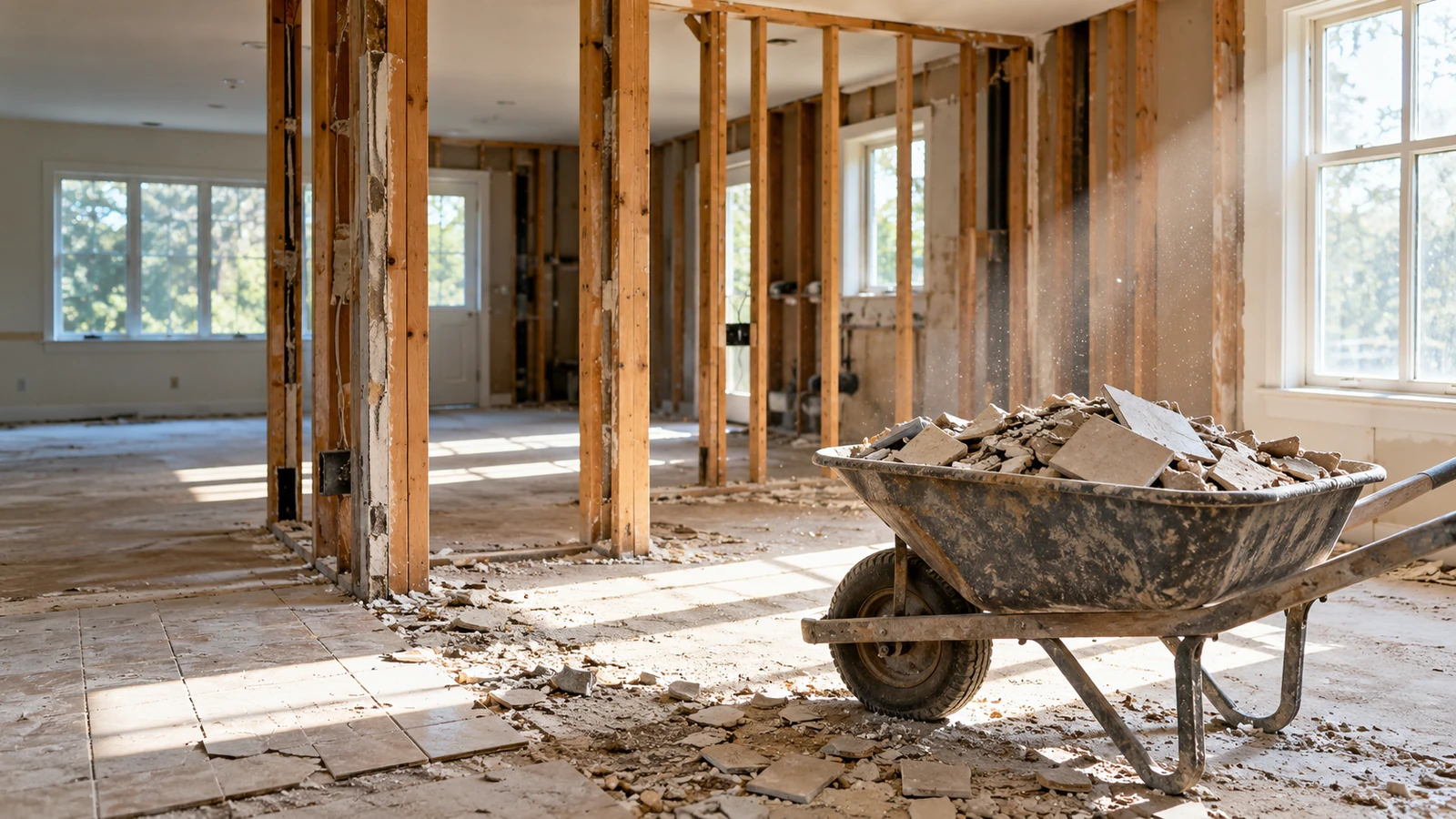
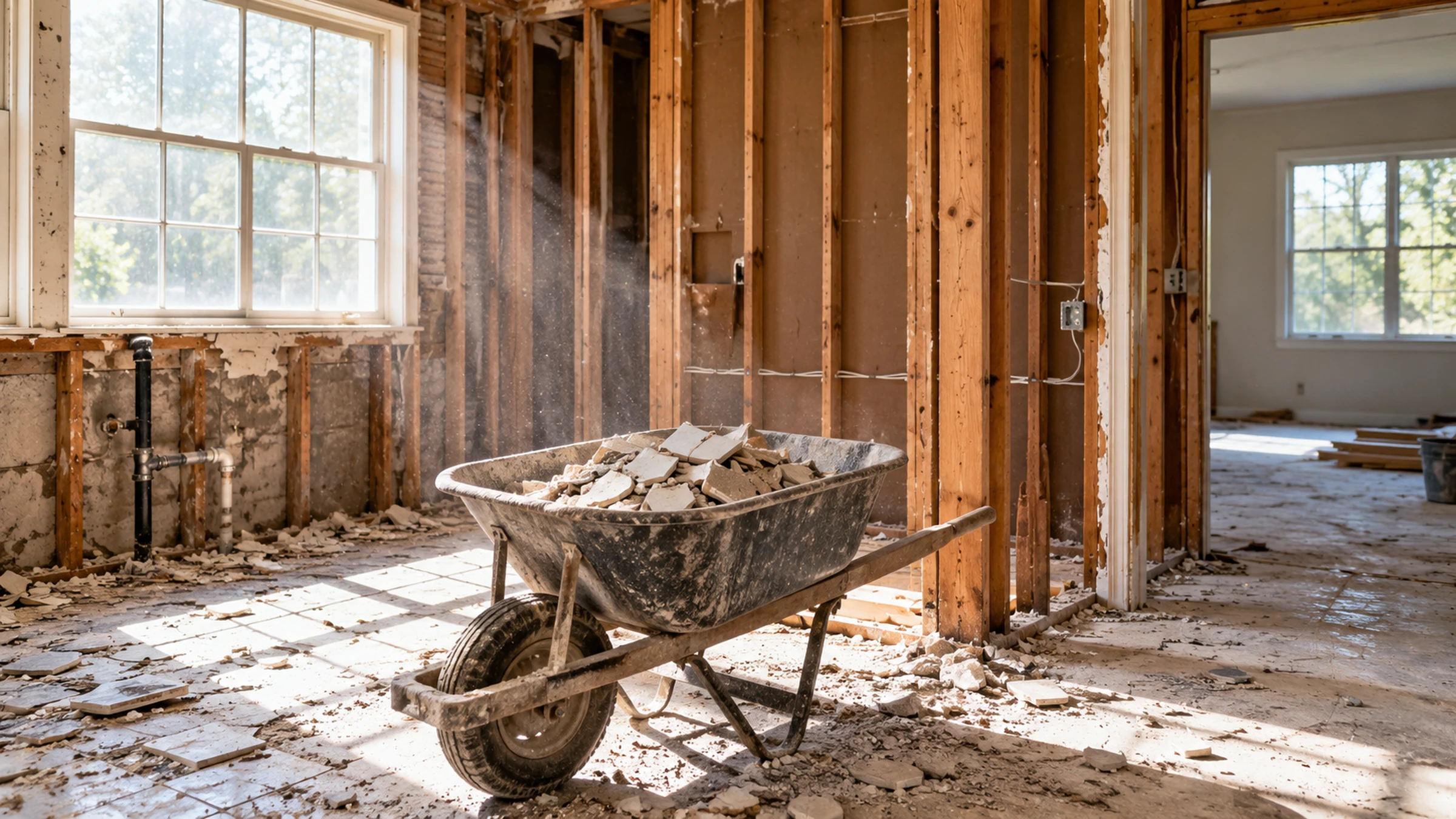
Walk past a house during a gut renovation. Drywall dust hangs in the air, studs are exposed, and a dumpster in the driveway overflows with broken tile and splintered cabinets. To a neighbor, it looks like destruction. To the contractor, it is Tuesday. You cannot frame new walls on rotted studs, and you cannot lay hardwood over water-damaged subfloor. The mess is not a mistake. The mess is the work.
Acute inflammation is demo day for your tissues.
When ligaments stretch or fibers tear, local blood vessels widen and become porous. Fluid, proteins, and immune cells flood the site. Redness, heat, swelling, and soreness are the visible signs of that delivery system arriving.
Pain is an evolutionary splint. If a torn ligament felt fine ten minutes after injury, you would keep loading it, turning a partial tear into a rupture. For a short window, discomfort is the biological point. It forces you to protect the workspace. Pain is not proof that inflammation is a toxin.
You do not have to enjoy the sensation, but you must stop treating it as the enemy of recovery. Demo day looks chaotic because tearing down damaged drywall is messy by nature.
Physiologic Demo Day vs. The Frozen Stalled Loop
Acute inflammation is not a fire to extinguish; it is a cleanup phase to finish.
Acute closes. Chronic does not.
In Guide 2, we showed that healing operates as an orderly sequence of stations and handoffs. Acute inflammation is the first station. It operates as a forward-moving burst: immune cells enter the tissue, digest damaged debris, hand the site over to rebuilding signals, and exit. The demolition crew clears the wreckage so the carpenters can begin. The acute phase does not run on a rigid clock, but it has a definitive finish.
Chronic inflammation is the loop that fails to close.
To track where it stalls, consider the chemical messengers. Cytokines are small signaling proteins released by immune cells to communicate instructions and coordinate local activity. During healthy acute repair, pro-inflammatory cytokines spike to summon the cleanup crew, then decline as repair begins. In chronic inflammation, cytokines keep firing. The cleanup crew never leaves, and demolition enzymes continue chewing through healthy tissue.
People call this a degenerated tendon or chronic inflammation. Sometimes the initial injury never received the signal to close. Sometimes mechanical load never dropped enough for the scene to clear. In other cases, poor sleep or metabolic strain raises the systemic baseline, preventing local tissues from finishing.
Canceling acute inflammation because chronic inflammation causes harm is like canceling demo day on your house because someone else's renovation ran six months over schedule. The word is the same; the biology is opposite. Acute inflammation is a sequence that finishes. Chronic inflammation is a job site that never gets past demolition.
Numbing the signal is not finishing the job
When you reach into your gym bag, you are usually seeking immediate comfort. To evaluate those tools, look at their targets.
Prostaglandins are lipid compounds produced at injury sites that widen blood vessels, drive swelling, and sensitize local nerve endings to pain. NSAIDs, or non-steroidal anti-inflammatory drugs, are common medications like ibuprofen and naproxen that inhibit the enzymes that produce prostaglandins.
NSAIDs work. They quiet prostaglandins, dull pain, and reduce swelling so you can sleep. Restoring sleep and basic function has genuine value. Pretending ibuprofen is poison is as foolish as pretending it is collagen.
The cost is a biological trade. Prostaglandins also guide blood flow and tell the immune system to progress from demolition to repair. Taking high-dose NSAIDs around the clock after acute injury trades comfort now for a potentially weaker structural finish later. That is not a ban; it is a trade you should make knowingly.
Corticosteroids are a much heavier hammer. Corticosteroids are synthetic steroid hormones that enter cell nuclei to suppress inflammatory gene expression directly. An injection provides dramatic pain relief, but repeated shots into a degenerative tendon carry a serious penalty by suppressing collagen synthesis. While catastrophic rupture stories get exaggerated online, repeated cortisone into damaged tendons is never a free lunch. Eliminating pain is not proof the cable grew stronger.
Ice relies on a similar trade. Applying ice slows nerve conduction, providing temporary pain relief. It also constricts blood vessels, sharply reducing circulation to the site. It does not flush metabolic waste or accelerate healing. Gabe Mirkin, the physician who popularized the RICE protocol decades ago, later publicly walked back ice as a healing tool, acknowledging that freezing an acute injury delays cellular repair. If you use ice to blunt pain, call it analgesia, not accelerated healing.
To understand why blunting that early phase carries consequences, consider the cellular handoff.
Neutrophils are fast-acting white blood cells that arrive first to debride crushed tissue and destroy microbes. They work aggressively, have a short lifespan, and quickly die off.
Macrophages are larger immune cells that follow neutrophils to engulf remaining debris and coordinate structural repair. By consuming dead neutrophils and tissue fragments, macrophages actively switch from demolition to summoning new blood vessels and collagen builders.
The cleanup itself instructs the rebuilding crew to start. When you chemically abort the first act, the second act is predictably thin.
The Biochemical "Work Order Closed" Signal
Lipoxins: The Primary Stop Signal
Synthesized from arachidonic acid via transcellular biosynthesis between neutrophils and platelets. Halts further neutrophil extravasation and summons non-phlogocytic monocytes to clear apoptotic cell bodies.
Resolvins: E-Series and D-Series Repair Controllers
Derived from marine omega-3 fatty acids EPA and DHA. Directly downregulate NF-kB transcription in inflammatory cells while activating non-phlogistic phagocytosis of apoptotic debris.
Protectins: Neuro-Regenerative Shields
Specialized DHA-derived mediator characterized by a conjugated triene structure. Potently protects neural tissue, peripheral nerve endings, and tendon-to-bone insertions from oxidative damage.
Maresins: Macrophage Mediators in Tissue Regeneration
Produced predominantly by human macrophages during late-stage debridement. Enhances tissue regeneration, accelerates local wound closure, and downregulates transient receptor potential channels.
Ice & High-Dose NSAIDs
The Emergency Muzzle. Constricts arterioles, halts lymphatic clearing, and blocks COX-mediated prostaglandin synthesis. Great for a medical trauma room; disastrous for tendon remodeling.
Heat & Active Movement
The Fluid Pump. Isometric holds, light flossing, and moist heat dilate local vasculature, accelerate lymphatic drainage, and introduce mechanotransductive signaling without reinjury.
SPMs & Peptide Signals
The Active Resolvers. Specialized pro-resolving mediators (Resolvins, Maresins) and angiogenic peptides (BPC-157) instruct M1 macrophages to switch into M2 repair mode and lay down new collagen.
Resolution is an active biochemical program
For decades, biology assumed acute inflammation ended passively, like a campfire dying down once the wood burned out. Modern biochemistry has proven that model false.
Resolution is the coordinated biological program that actively switches off inflammatory signaling, clears residual immune cells, and allows rebuilding to begin. Inflammation does not merely fade away; it must be switched off.
That switch is driven by specialized pro-resolving mediators, or SPMs. Specialized pro-resolving mediators are signaling lipid molecules synthesized at the injury site to halt neutrophil recruitment, direct macrophages to digest dead cells quietly, and clear fluid through the lymphatic system.
Key idea
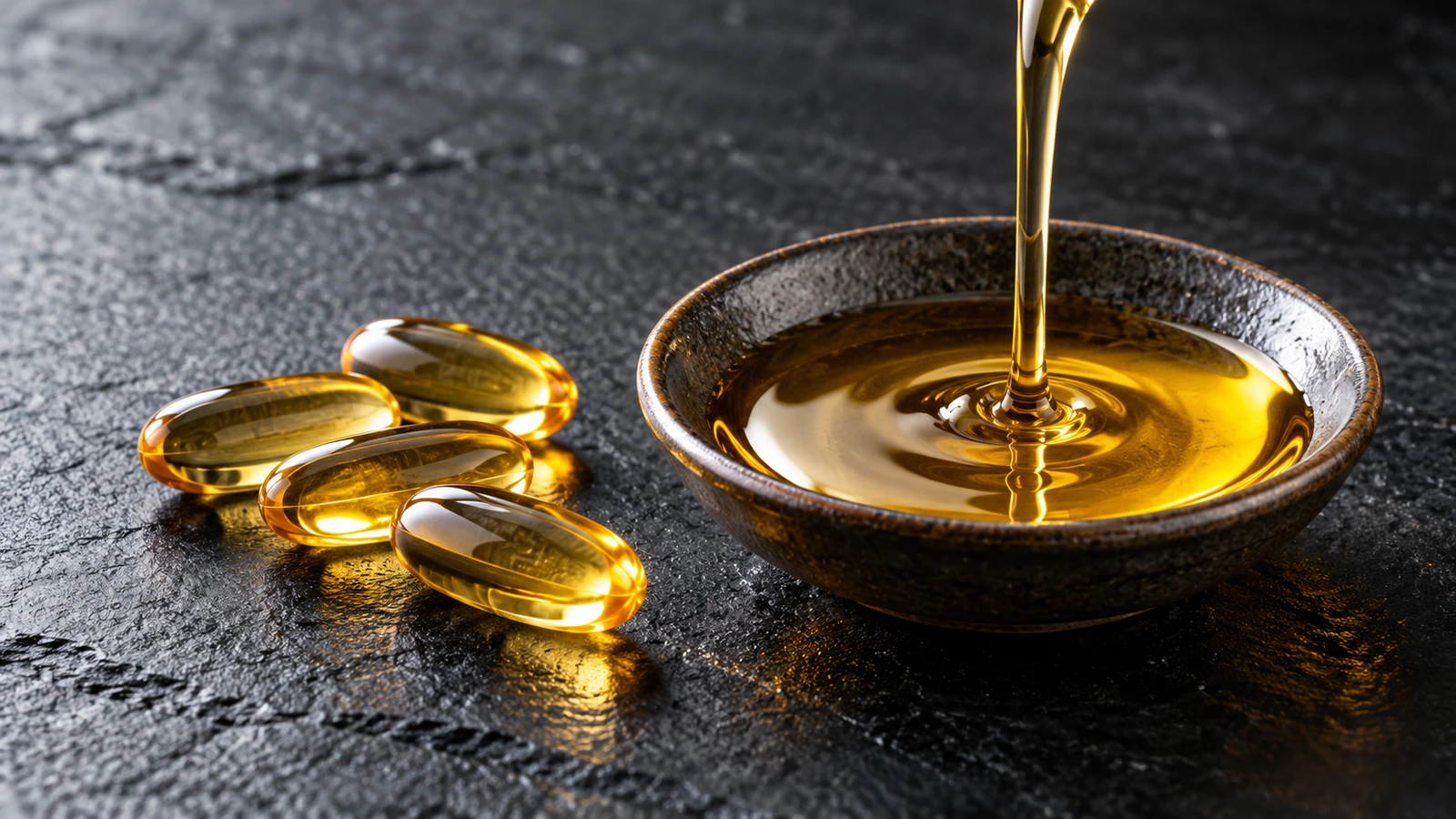
Crucially, many SPMs are built from polyunsaturated fatty acids, particularly marine omega-3 fats like EPA and DHA. That is basic substrate biochemistry, not a supplement commercial. If those nutritional raw materials are missing, the biological off-switch is under-supplied. Inflammation can stall not just because an injury was severe, but because the body lacked the chemical tools to turn it off.
Matching the tool to the objective
Navigating recovery requires separating tools that blunt symptoms from processes that rebuild tissue:
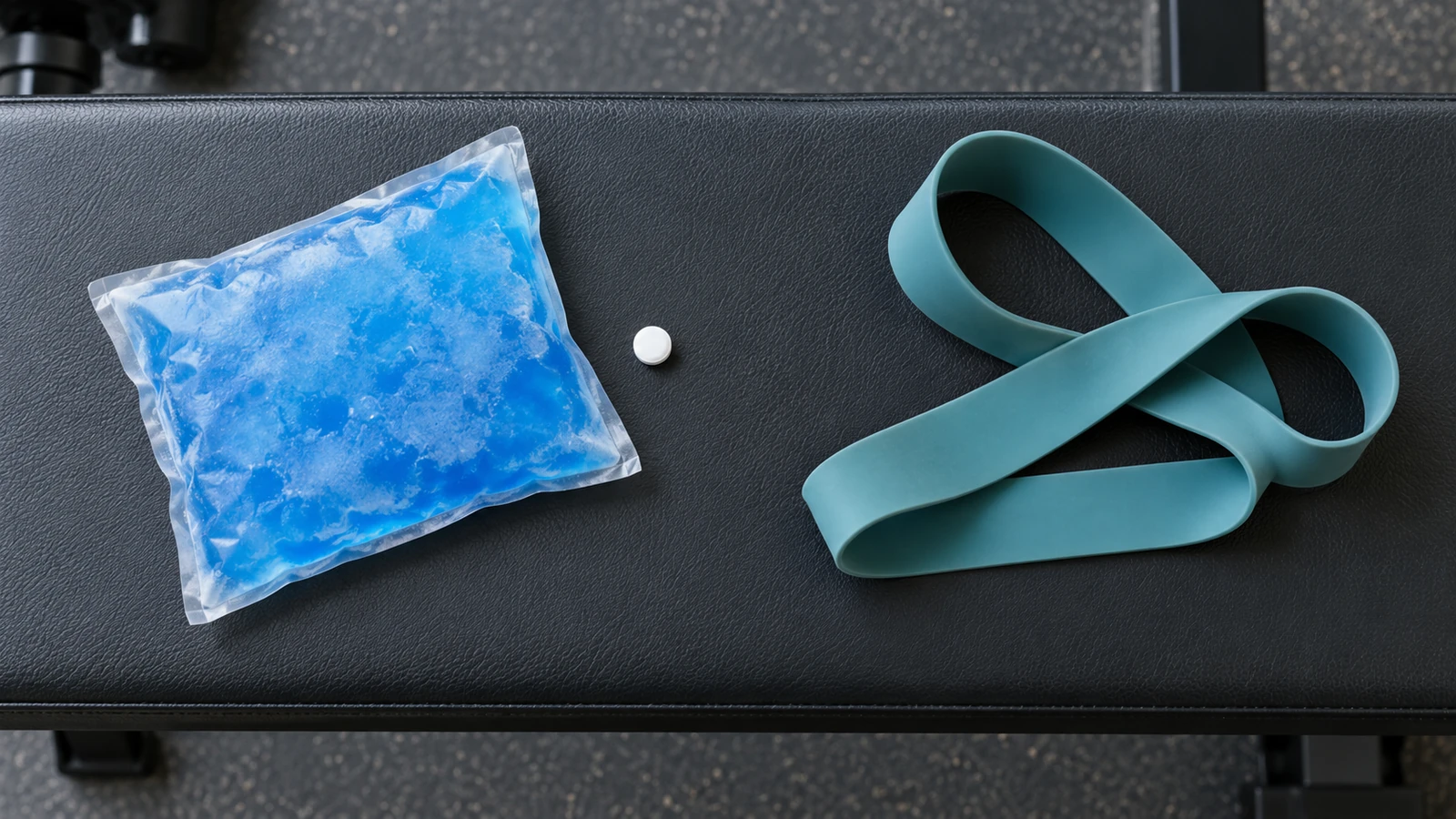
- Comfort tools (ice, NSAIDs, pain-relieving agents): reduce nerve sensitivity, lower swelling, and assist with immediate sleep or mobility. They quiet the alarm, but they do not rebuild damaged matrix.
- Repair drivers (progressive loading, circulation, complete nutrition, and active resolution): supply cellular raw materials, stimulate collagen remodeling, and allow the biological cleanup to finish.
Both categories have their place. The mistake is confusing symptom relief with completed repair.
"Anti-inflammatory" is a sales personality
Because inflammation has a negative reputation, commercial marketing treats it as a single villain, promising that buying an anti-inflammatory compound will fix any ache or swelling.
Peptides promoted for recovery illustrate the confusion. A peptide that quiets an unclosed inflammatory loop can be an effective intervention, provided that a chronic loop is the actual problem, the corresponding cellular receptor exists, and the target cell can answer. That is a mechanism story. In Guide 4, we will examine how chemical signals bind to cell receptors to command action. The sales pitch skips that biology, promising you can rebuild without cleaning the site first.
Chronic systemic inflammation is a real issue, but an acute ankle sprain is not rheumatoid arthritis. Autoimmune diseases, where the immune system attacks healthy joints, represent a completely different pathology; this guide covers musculoskeletal injury physiology, not autoimmune care, and does not provide rheumatology advice. Conflating an acute sprain, chronic metabolic stress, and autoimmune disease into one buzzword leads people to buy the wrong tool for the wrong phase.
Comfort is not a finished cable
Where does this leave the practical decisions you face after an injury?
Ice can make walking possible. Walking promotes normal movement and circulation, which is useful. But walking on a numb joint is not remodeling damaged collagen. Use ice to take the edge off severe pain if necessary, but drop the mythology.
When a pill or injection relieves joint pain, the underlying tissue has not healed. Turning down the alarm can be the right choice for sleep and basic function, but it is not evidence that cleanup finished, that macrophages signaled the rebuild, or that the cable got stronger.
Take that distinction into your next clinician conversation. Ask whether a recommended treatment is meant to buy short-term comfort, finish a biological repair phase, or both. Treat those as two distinct goals.
The bottle in your gym bag still has a legitimate use. It can quiet a thumping joint so you can rest. But its purpose is to manage symptoms while the work gets done, not to dismiss the demolition crew before the rotted wood is gone.
Educational content only. It is not individual medical advice.