The Chemistry Bottleneck
High systemic inflammation and glycemic volatility keep tissue chemically irritable, preventing joint adjustments and soft-tissue release from holding.
Mechanism-First Diagnostic Model
Recurring pain is rarely an isolated structural failure. It is almost always a breakdown in an interconnected recovery system. The Method connects metabolic chemistry (Eat), mechanical loading (Move), and cellular tissue repair (Recover) into one unified diagnostic model.
Explore the 29-guide curriculum →The Clinical Problem
Most athletes and active adults bounce between isolated modalities: an adjustment, a massage, or a supplement. When relief fades after two weeks, they assume the treatment failed. In reality, tissue durability requires three connected biological systems working together.
High systemic inflammation and glycemic volatility keep tissue chemically irritable, preventing joint adjustments and soft-tissue release from holding.
Compensatory joint kinematics and restricted fascial glide re-injure the same tendon fibers under load, regardless of how clean your diet is.
Chronic sympathetic stress and poor sleep architecture freeze collagen remodeling and cellular signaling before tissue can fully mature.
The Integrated Model
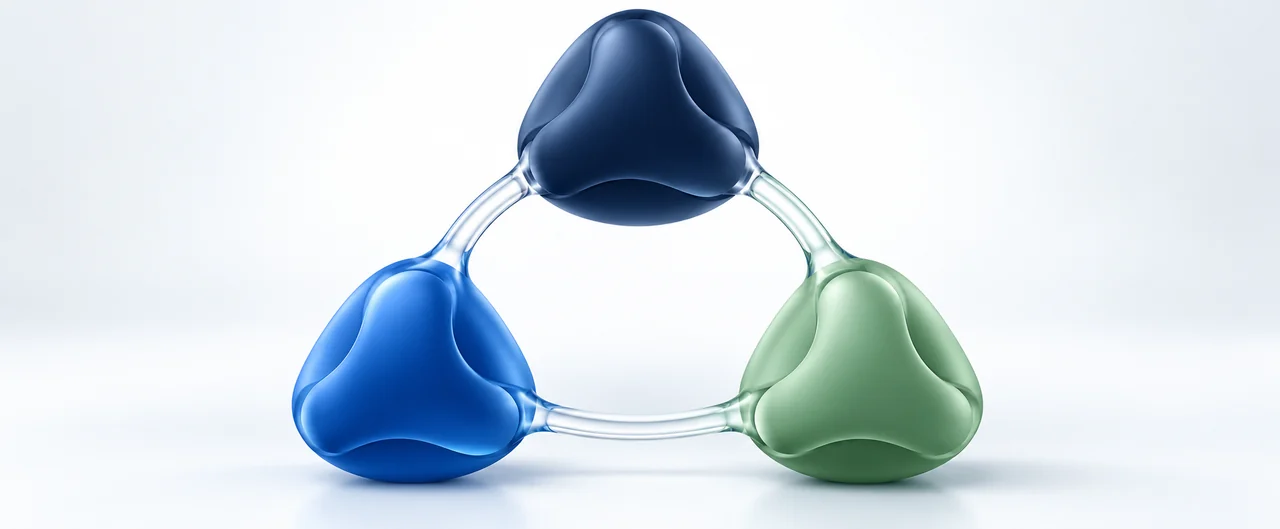 MoveStructure · Load
EatFuel · Metabolism
RecoverTissue · Repair
MoveStructure · Load
EatFuel · Metabolism
RecoverTissue · Repair
The 3 Pillars of Durability
Each pillar addresses a distinct physiological mechanism. You do not need to overhaul everything at once; you need to identify which pillar currently caps your progress.
Pillar 01
Fuel quality, glycemic stability & inflammation.
What you eat sets the molecular environment your tissues heal inside. Blood sugar volatility, gut barrier permeability, and micronutrient gaps maintain a chronic catabolic state that stalls healing.
Explore the Eat path →Pillar 02
Joint kinematics, fascial glide & load capacity.
Movement quality and skeletal levers decide where mechanical force concentrates. Restoring joint excursion and progressive loading builds durable tendon, ligament, and muscle tissue.
Explore the Move path →Pillar 03
Cellular signaling, sleep & parasympathetic repair.
Training applies the mechanical stimulus; recovery completes the physical remodel. Sleep depth, peptide signaling, and autonomic tone dictate whether repaired tissue reaches a higher threshold.
Explore the Recover path →Self-Assessment Checklist
If pain returns every time you ramp up training, the useful question is rarely "What stretch fixes this?" It is: which biological system hasn't actually adapted yet?
If your body feels inflamed, stiff in the morning across multiple joints, or slow to recover overall, the bottleneck is often chemical rather than mechanical.
Common Clues:
If pain only appears during specific movements (e.g. bottom of a squat, overhead press) or on one side, structural kinematics are failing to distribute force.
Common Clues:
If mechanics and diet are dialed in but an isolated tendon or disc won't turn the corner after months, cellular repair signaling is the bottleneck.
Common Clues:
Clinical Patterns in Practice
Here is how these breakdowns typically manifest in real active individuals:
The Outcome: Bilateral tendonitis that never fully resolves because systemic chemistry prevents collagen remodeling from maturing.
The Outcome: Right hamstring tendon overload that tears every 10 to 12 weeks because the restricted ankle forces the hip to absorb double the ground strike impact.
The Outcome: Persistent lower back disc irritation that never stabilizes because high nocturnal cortisol suppresses deep tissue repair.
Where To Go Next
Choose the pillar where your current recovery loop is leaking momentum, and begin with its foundational guide in the curriculum: