The Trapped Athlete
You rested for 6 weeks, felt fine on the couch, returned to normal training, and hit the exact same breakdown ceiling during your second session.
Clinician Profile · Southern California
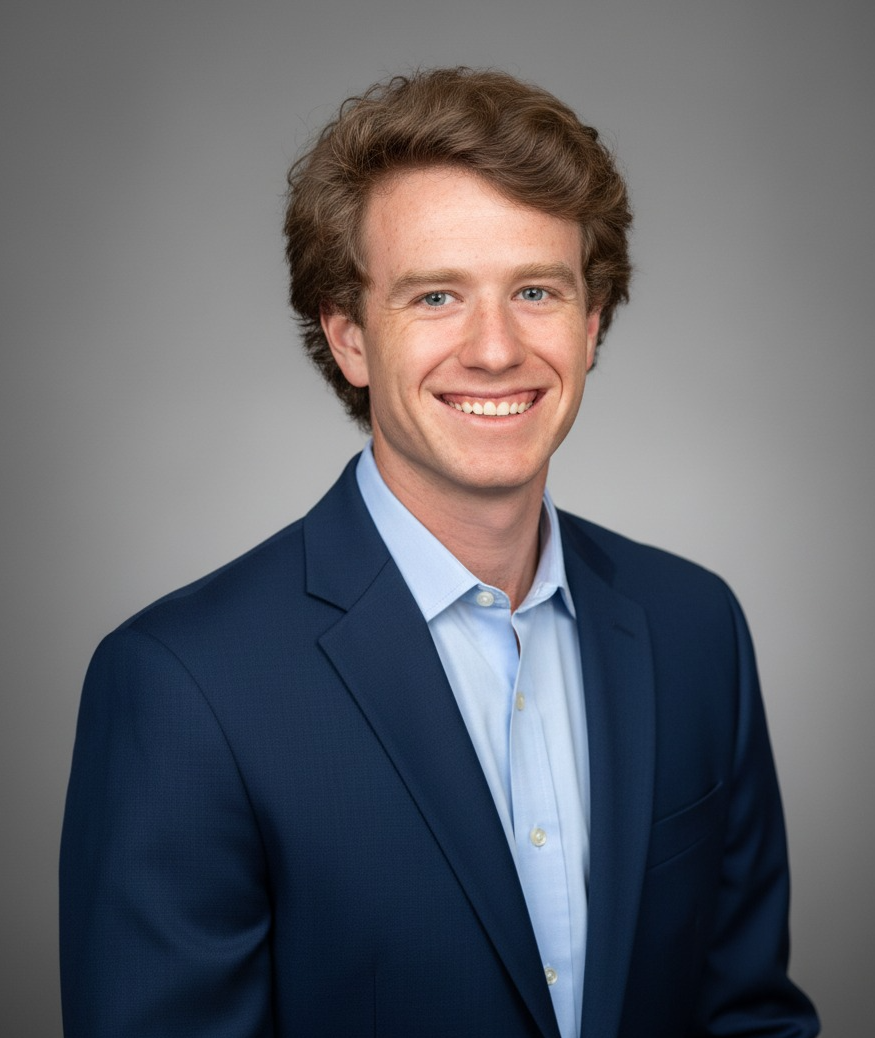
I am Dr. Sean Reid, D.C., LMT. For over 7 years in clinical practice in Southern California, I’ve worked with active adults, barbell lifters, and athletes who were frustrated by standard healthcare advice that told them to stop training and wait. My approach unites joint mechanics, myofascial release, and cellular biology so your body can actually adapt under physical demand.
The Clinical Journey
Early in clinical training, I noticed a fundamental flaw in musculoskeletal care: clinicians almost always isolate either the bone or the muscle.
In traditional physical medicine, practitioners tend to divide into separate silos. Chiropractic care focuses on restoring joint motion and skeletal alignment. But if the surrounding myofascial architecture is locked down with dense adhesions and chronic neuromuscular guarding, the joint gets pulled right back out of alignment within days.
Massage therapy downregulates muscular tone and restores soft-tissue compliance. But if the underlying skeletal levers and joint mechanics remain restricted, the soft tissue will re-tighten almost immediately as a protective reflex.
"Structure directs where force travels; soft tissue dictates how force is absorbed. You cannot fix one without the other."
I pursued dual credentials as a Doctor of Chiropractic (D.C.) and Licensed Massage Therapist (LMT) to eliminate that artificial divide. When joint kinematics and myofascial glide are treated together alongside cellular nutrition, the body stops fighting itself and begins to remodel.
In The Trenches
I work with active adults, barbell lifters, runners, combat athletes, and driven professionals who refuse to accept "just rest and take pills" as a medical solution.
You rested for 6 weeks, felt fine on the couch, returned to normal training, and hit the exact same breakdown ceiling during your second session.
You tried adjustments, dry needling, foam rolling, and stretching in isolation—without anyone evaluating how your joint motion and fascial tension interact under load.
Your MRI or X-ray came back "clean," but your tendon or lower back still feels like rusty wire when you ask it to produce force.
Practitioner Philosophy
These core principles guide my clinical practice and every guide published on this site:
An adjustment restores joint range; soft-tissue therapy restores myofascial glide. Treating both simultaneously stops the body from compensating and allows force to dissipate safely.
Passive rest is an emergency brake, not a rehabilitation strategy. Long-term durability requires progressive, graded mechanical loading that forces tendon, ligament, and muscle to remodel.
Pain is your nervous system reporting that mechanical stress has exceeded tissue capacity or that cellular repair chemistry is lagging. Treat it as diagnostic information, not a symptom to numb.
The mark of a true clinician isn't keeping a patient on a treatment table indefinitely. It is diagnosing the root bottleneck, resolving the acute restriction, and teaching the patient how to maintain their own durability.
Where To Go Next
Choose how you want to navigate the platform:
Learn how Eat (chemistry), Move (load), and Recover (tissue repair) connect into one integrated diagnostic loop to uncover why recurring pain stalls.
Explore The Method → The Knowledge BaseBrowse 29 ordered, clinician-authored guides organized across nutrition, biomechanical loading, and regenerative recovery pathways.
Browse the Curriculum →