What Food Actually Delivers
A calorie count measures the energy released by food, but your body is living tissue requiring continuous upkeep. Food supplies the raw physical building blocks, fluid medium, and cellular tools your organs need daily.
Every meal delivers two fundamental things: Energy to keep you moving, breathing, and functioning, and Materials to rebuild muscle fibers, replenish red blood cells, and maintain the intestinal lining.
Protein provides irreplaceable amino acids for structural repair (4 kcal/g); carbohydrates supply accessible glucose and digestive fiber (4 kcal/g); dietary fat shields cell membranes and absorbs vital vitamins (9 kcal/g).
Nutrients cannot help cells until dismantled into molecules small enough to cross into circulation. Digestion mechanically crushes and chemically breaks meals down from mouth to colon before absorption.
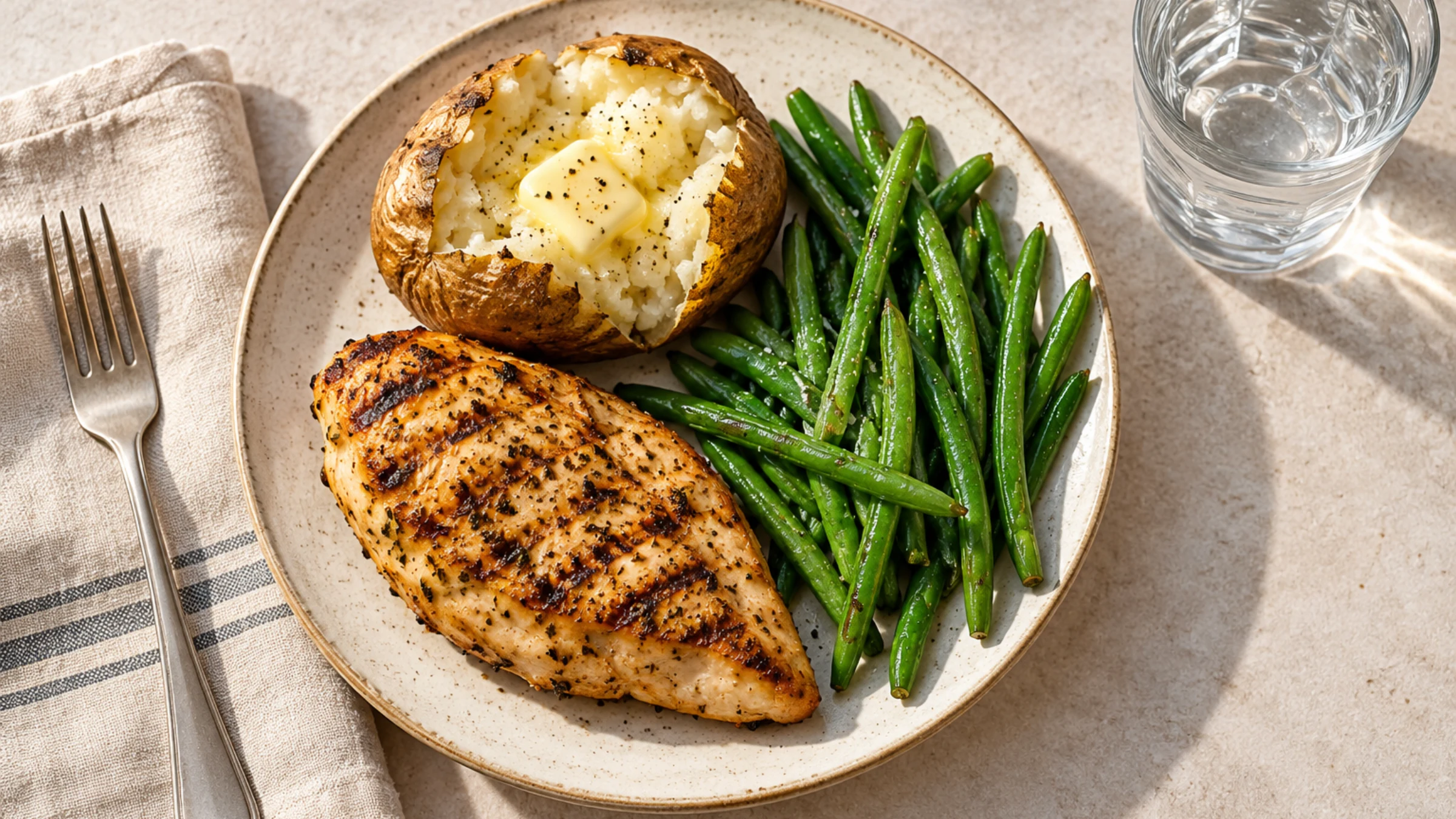
Sit down in front of a familiar dinner: a piece of grilled chicken, a baked potato with a little butter, a side of green beans, and a glass of water.
You can count the calories on that plate, and that number tells you how much energy the meal offers. But the more practical question is what your body actually does with those ingredients once you sit down and eat them.
Food is not just an energy total. It is the supply of physical materials your body uses to run its systems, repair tissues, and carry out daily maintenance. When you understand what each part of a meal provides, it becomes much easier to make clear decisions about what to put on your plate.
Energy and Materials
Every meal you eat supplies two fundamental things:
- Energy to keep you moving, breathing, and functioning.
- Materials to build, maintain, and replace tissues.
Energy balance is a straightforward physical reality. If you consistently take in more energy than your body expends over time, your body stores the surplus, primarily as body fat. If you take in less energy than you spend, your body draws on stored reserves to make up the difference. A calorie is simply the unit we use to measure that energy.
Energy, however, is only half the story. Your body is not a static object that simply burns fuel; it is living tissue that undergoes continuous upkeep. Your skin, muscles, red blood cells, and the lining of your gut are constantly being maintained and rebuilt. Your body recycles many of its own materials throughout the day, but it still relies on food to deliver new building blocks, water, and essential nutrients from the outside world.
Key idea
This is why energy content and nutrient mix answer two different questions about the same meal. A calorie count tells you how much total energy a food provides, but it does not tell you whether that food delivered protein for tissue repair, fiber for digestive health, or the vitamins and minerals needed to keep your cells working. Both matter, but they are not the same thing.
Every Meal Delivers Two Things
WHOLE MEAL
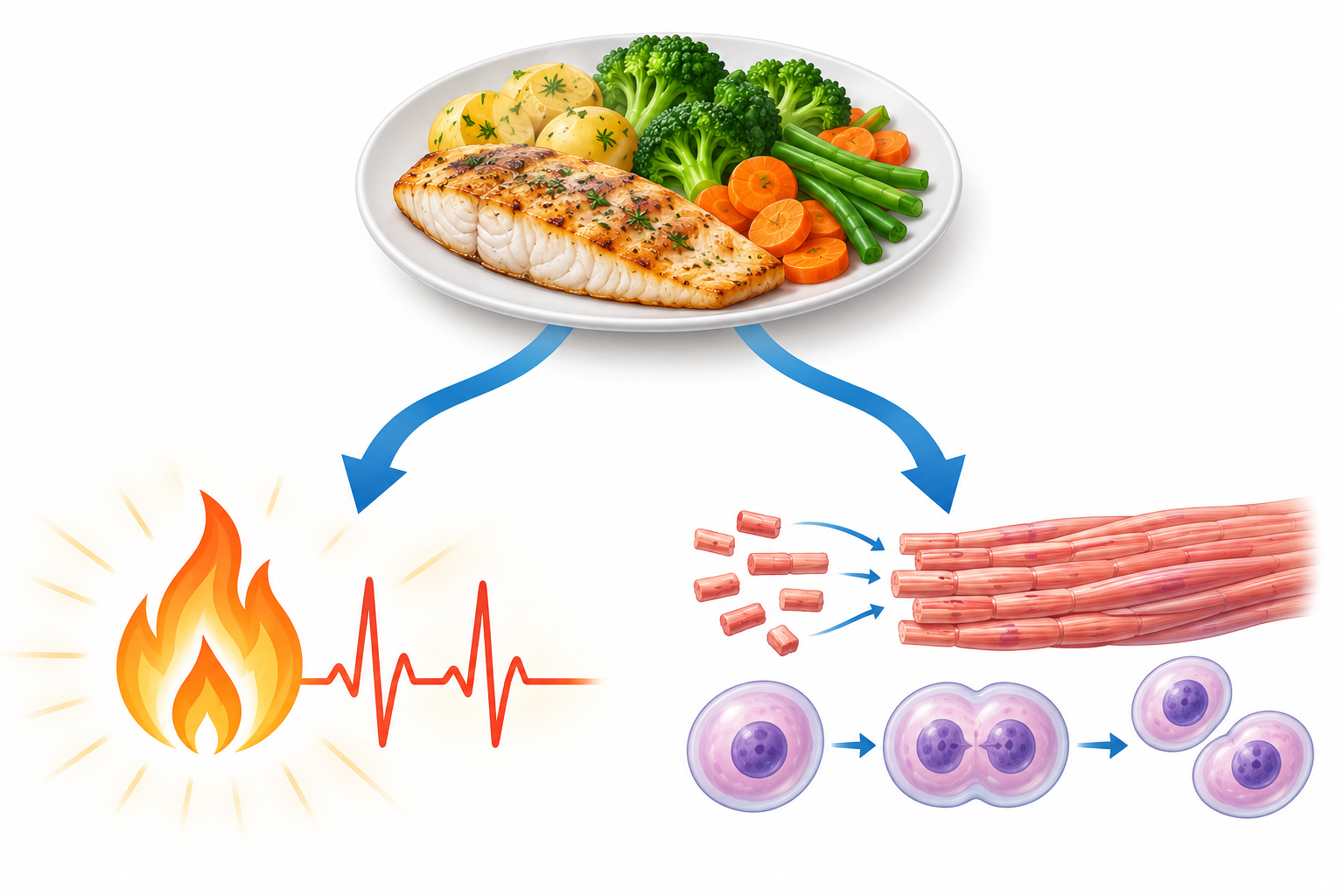
ENERGY
Fuel for your day
Powers movement, breathing, heartbeat, brain function, and daily physical work.
MATERIALS
Repairs and rebuilds you
Replaces dead cells, heals muscle fibers, restores bones, and maintains gut lining.
The Major Nutrients: Protein, Carbohydrate, and Fat
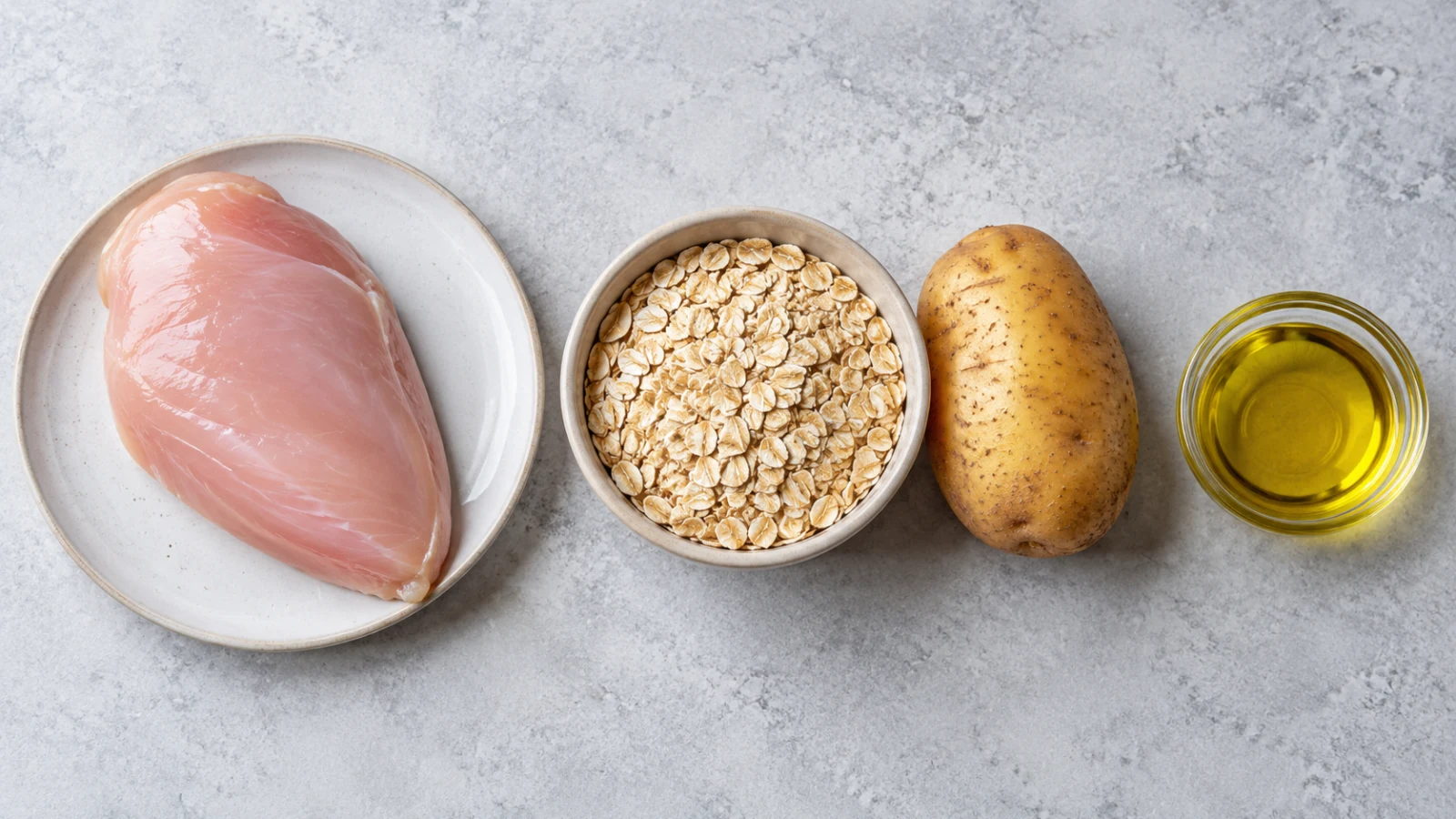
The energy-yielding parts of food are divided into three macronutrients: protein, carbohydrate, and fat. We call them macronutrients because your body uses them in relatively large amounts, measured in grams.
Protein
Proteins are made of smaller building blocks called amino acids, linked together in long chains. When you eat protein from chicken, fish, eggs, dairy, beans, or tofu, digestion breaks those chains down into individual amino acids.
Your body uses those amino acids to repair muscle fibers, rebuild connective tissue, and manufacture the enzymes and antibodies that keep your immune system and metabolism running. Protein also provides energy, roughly four calories per gram, contributing to your daily energy needs alongside carbohydrates and fats. Its structural and functional roles, however, are what make it irreplaceable.
Carbohydrate
Carbohydrates are molecules built from simple sugars. They include starches (found in foods like potatoes, rice, and oats), naturally occurring sugars (in fruit and milk), and refined sugars.
Your digestive tract breaks starches and sugars down into simple sugars, primarily glucose. Glucose enters the bloodstream and serves as a readily accessible fuel source for your brain, organs, and muscles during activity. Your body can also store surplus glucose in your liver and muscles as glycogen for quick access between meals or during exercise.
Whole plant carbohydrates also supply dietary fiber. Human enzymes cannot break down fiber, so it travels through your digestive tract largely intact. Along the way, it adds bulk to stool, helps keep digestion moving smoothly, and feeds resident bacteria in your large intestine that support intestinal health.
Fat
Dietary fat is a concentrated energy source, providing roughly nine calories per gram. Your body can burn fats for fuel or store them for later use.
Beyond energy, fats perform essential structural and metabolic jobs. They form a key component of every cell membrane in your body, cushion vital organs, and insulate nerve fibers. Dietary fat is also necessary for absorbing fat-soluble vitamins, including vitamins A, D, E, and K. Adding a little butter or olive oil to a plate of vegetables is not just about flavor; it allows your body to absorb those vitamins effectively.
Three Materials, Three Jobs
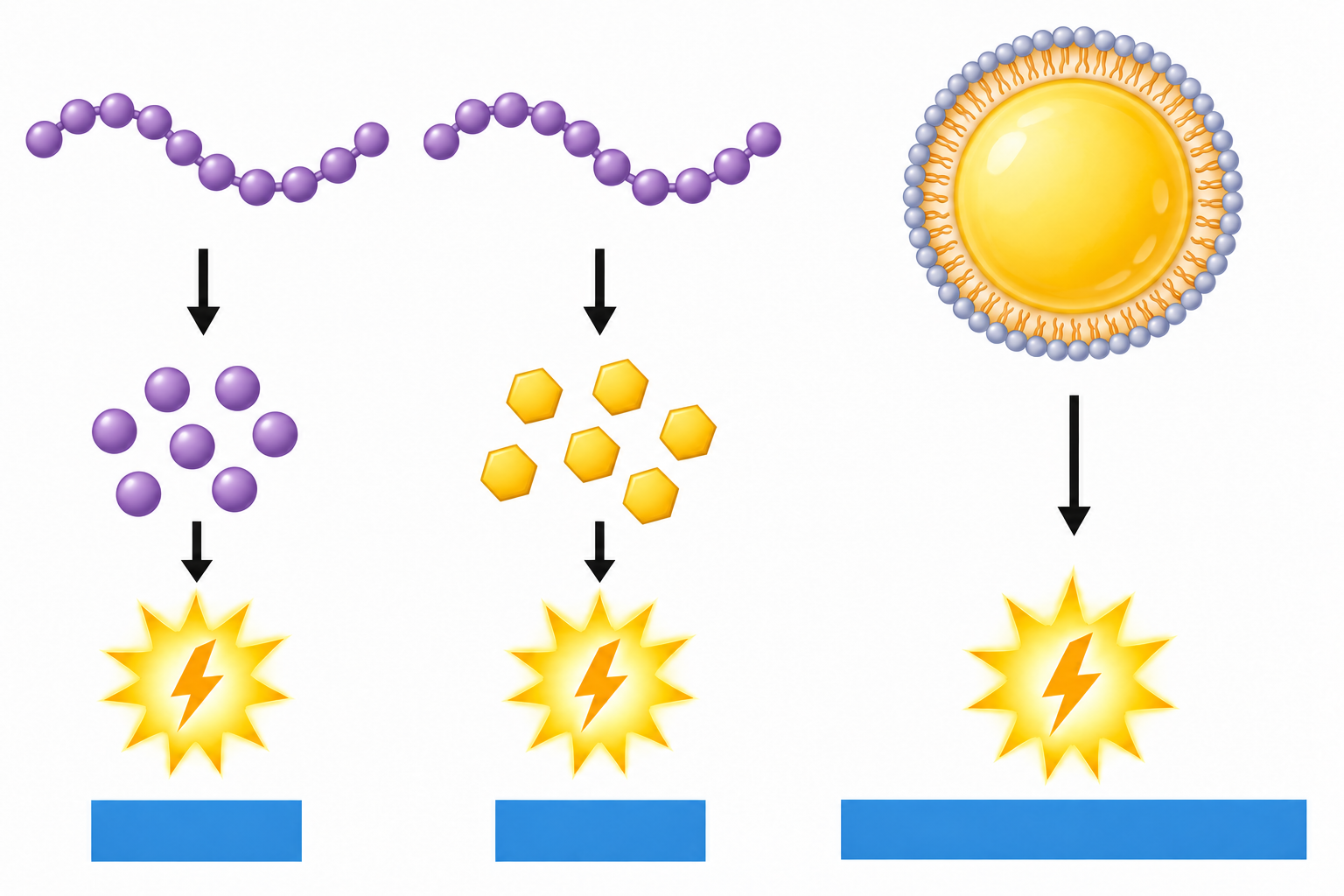
Physical blocks for muscles,
tendons, skin & enzymes.
4 kcal/g • meat, fish, eggs, beans
LEU · GLY · PRO · VAL · ISO · ALA · THR · GLU
High-speed accessible energy
for muscles, brain & gut fiber.
4 kcal/g • potato, rice, fruit
Fast accessible fuel for muscles, brain function & gut fiber. +
Insulates cell walls, produces
hormones & carries vitamins.
A•D•E•K
9 kcal/g • butter, olive oil, fish
Protects cell walls, produces A•D•K
The Supporting Tools: Vitamins, Minerals, and Water
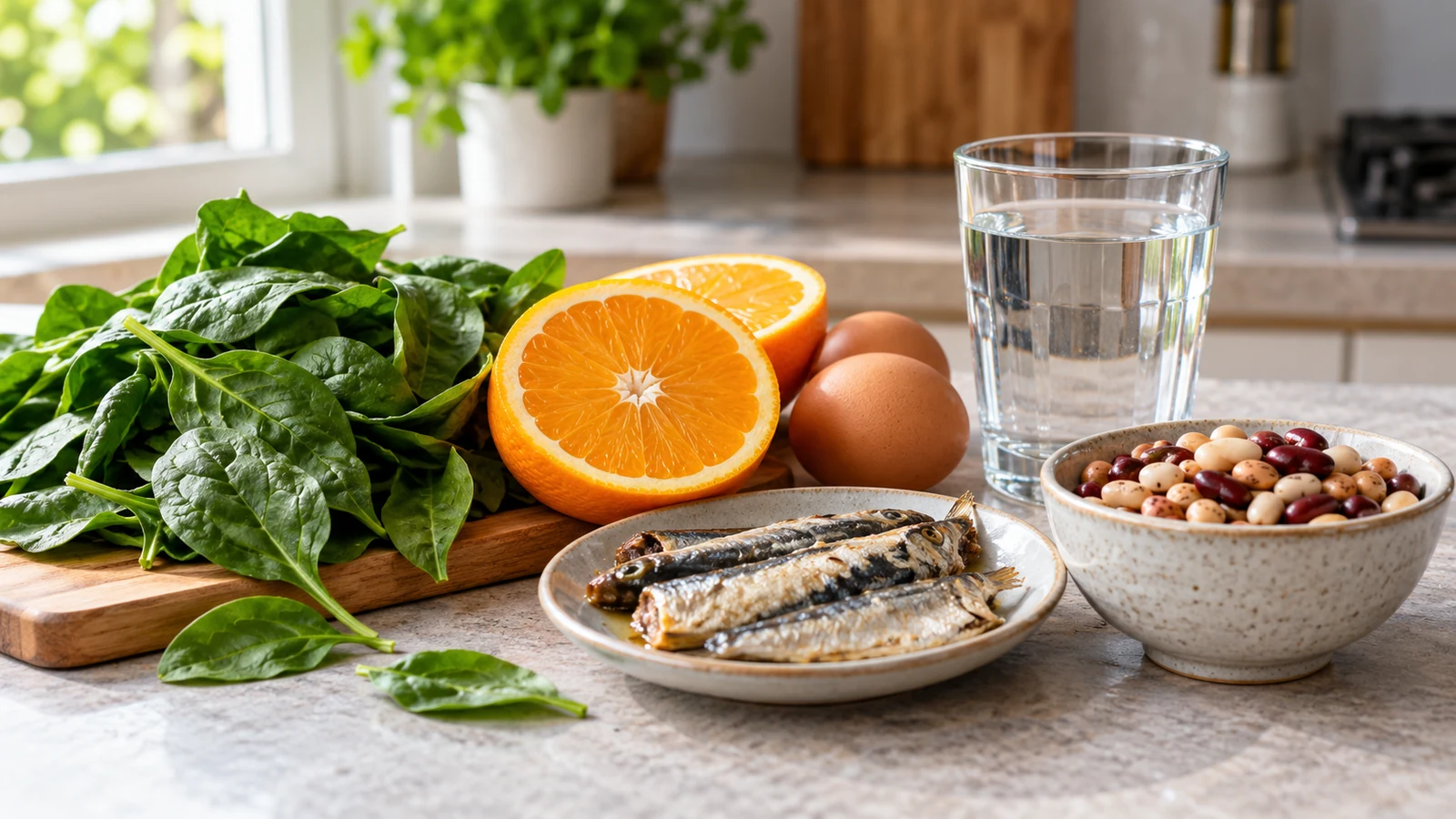
Macronutrients provide the bulk fuel and structural materials, but your body cannot use them without vitamins, minerals, and water.
Vitamins and Minerals
You need vitamins and minerals in tiny amounts, measured in milligrams or micrograms, and they carry no direct calories. Even so, your cells cannot function without them:
- Iron is an essential part of hemoglobin, the protein in red blood cells that carries oxygen throughout your body.
- Calcium provides the structural strength of your bones and teeth, while also helping muscles contract and nerves send signals.
- Vitamin C is required for enzymes that manufacture collagen, the structural protein in your skin, tendons, and blood vessels.
Water
Water makes up more than half your body weight. It forms the fluid base of blood, which carries nutrients and oxygen to tissues. It produces the digestive fluids that break down meals, cushions your joints, helps your kidneys clear waste, and regulates your body temperature through sweating. Drinking water and eating water-rich foods ensures your body has the fluid medium it needs to keep those processes running.
How Digestion Works

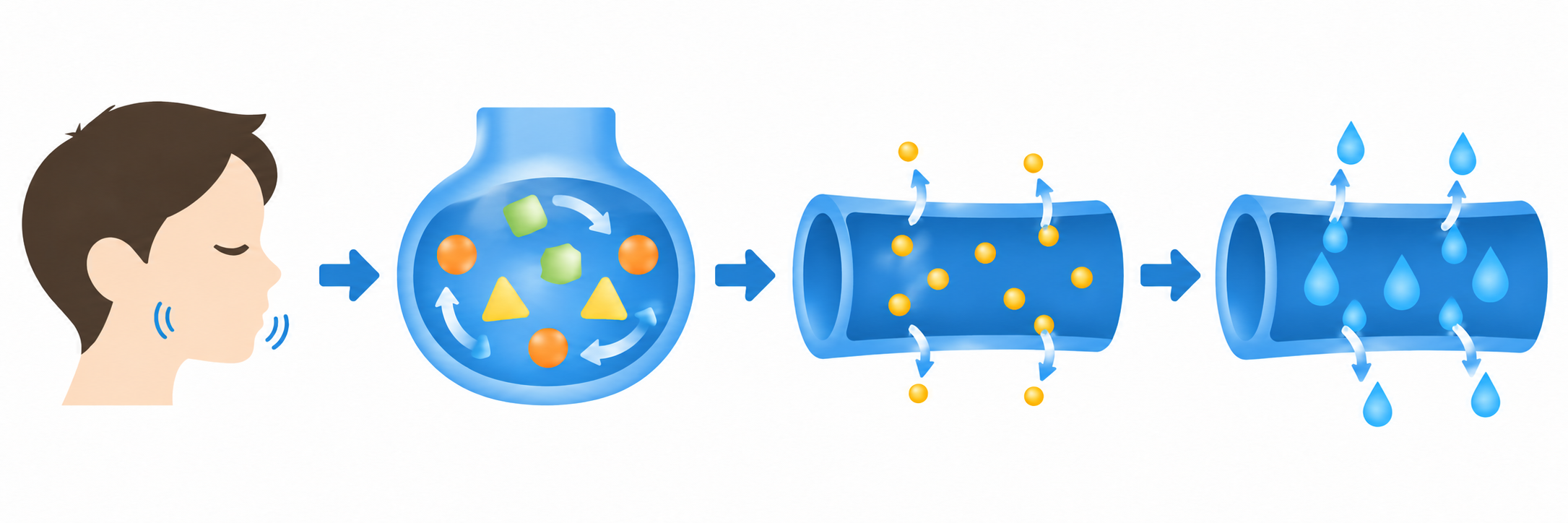
Food on your plate cannot help your cells until it is dismantled into pieces small enough to cross into your body. Digestion is that disassembly process.
- The Mouth: Chewing mechanically breaks solid food into smaller pieces, increasing the surface area for digestive fluids. Saliva moistens the food so it can be swallowed easily and begins breaking down starches.
- The Stomach: Strong muscular walls churn food with stomach acid and digestive juices, turning it into a liquid mixture and starting the breakdown of proteins.
- The Small Intestine: Most digestion and absorption happen here. Digestive juices from the pancreas break proteins into amino acids, starches into simple sugars, and fats into fatty acids. The liver produces bile (stored in the gallbladder), which helps break large fat droplets into tiny ones so digestive enzymes can work on them. Simple sugars, amino acids, fatty acids, vitamins, and minerals are then absorbed across the intestinal wall into your circulation. Water and minerals do not need to be broken down; they are absorbed as they are.
- The Large Intestine: What remains passes into the colon, which reclaims leftover water and minerals. Gut bacteria ferment some of the undigested fiber, producing compounds that nourish the colon wall.
Throughout this journey, nerves and hormones in your gut communicate with your brain, coordinating the movement of food and signaling feelings of fullness.
Where Your Meal Goes
Chopped
Teeth crush & saliva wets
Teeth crush food & saliva lubricates
Churned
Acid & enzymes dissolve
Acid bath & enzymes dissolve particles
Absorbed
Passes into bloodstream
Nutrients cross wall into bloodstream
Water Reclaimed
Hydration kept & fiber feeds flora
Fluids saved & fiber feeds microbiome
Applying It to an Ordinary Meal
When you look back at that dinner of chicken, potato, green beans, butter, and water, you can see how each part contributes:
- Grilled Chicken: Protein, fats, B vitamins, iron, zinc. Repairs muscle and tissue; builds enzymes; supplies energy.
- Baked Potato: Carbohydrates, potassium, vitamin C. Supplies glucose for energy; refuels liver and muscle glycogen.
- Green Beans: Fiber, water, vitamins, minerals. Supports bowel regularity; nourishes gut bacteria.
- Butter: Dietary fats. Supplies energy; supports cell membranes; aids vitamin absorption.
- Glass of Water: Water. Maintains blood volume; aids digestive fluids; transports nutrients.
Each item does a specific job. The chicken provides structural materials and essential minerals; the potato provides accessible fuel; the green beans provide fiber and micronutrients; the butter helps you absorb vitamins and provides sustained energy; and the water keeps circulation and digestion moving smoothly.
What to Notice at Your Next Meal
You do not need to count every gram or memorize anatomy charts to feed yourself well.
The next time you sit down to eat, look at your plate and notice three basic things:
- Where are the building blocks? Identify the source of protein that will provide amino acids for daily repair.
- Where is the fuel? Look for the carbohydrates or fats that will supply the energy you need for your day.
- Where are the supporting tools and fluid? Notice the vegetables, fruits, or whole foods providing fiber, vitamins, and minerals, along with the water needed to keep your systems running.
Seeing food this way turns eating into a practical, repeatable habit: recognizing what your body needs to run well, and making sure your plate actually delivers it.
Educational content only. It is not individual medical advice.