
Prerequisites
The Biological Bottom Line
Peptides are not magic erasers that undo chronic sleep deprivation, structural joint misalignment, or poor nutrition. They sit at the apex of an antifragile recovery hierarchy.
Injecting BPC-157 into a rotator cuff that is being pinched by an uncorrected acromial impingement is like painting a wall while someone is driving a tractor through it.
If your circulating amino acid pool is empty and your vitamin D is tanked, signaling cells to synthesize collagen produces zero structural result. Fuel first, signals second.
When placed on top of sound sleep, mechanical rehab, and high protein, peptides act as an extraordinary accelerator, turning a 6-month tendon stall into active recovery.
The training log has one line filled in: the vial. Protein intake, the training session, and bedtime are still blank. A recovery plan can look complete on a screen while missing every real foundation. The athlete records the compound, the dose, and the schedule, but what gets lifted, what gets eaten, and whether sleep happened remain unaddressed. That inversion is the whole problem.
To see why this fails, you must understand how living tissue repairs itself. Signaling is the transmission of chemical messages that tell cells what tasks to start or stop. Mechanical load is the physical force or tension placed on living tissue during movement. Peptides are molecular messengers; they belong strictly to signaling. They are not physical tissue, they are not fuel, and they are not physical force. Some peptide signals may fit a mapped clinical problem, but they do not replace mechanical load, food, or sleep.
Overdrive is not a second engine
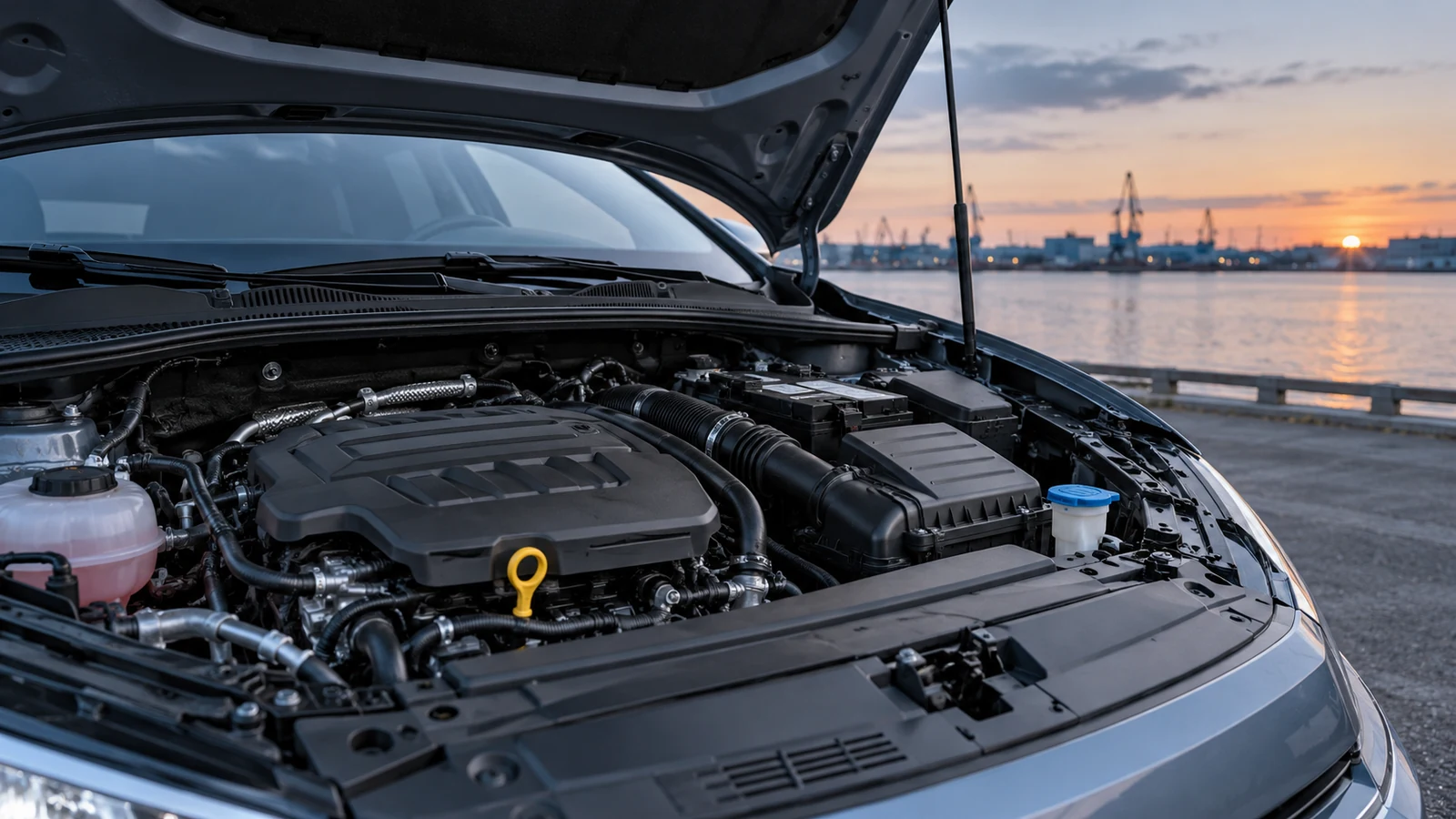
Overdrive gear is real. When you shift into overdrive on the highway, cruising efficiency improves. But overdrive is not a second engine. It works only if the rest of the car already exists: oil in the pan, fuel in the tank, and tires that hold air. Floor overdrive on a car with no oil and you do not get a race car. You get a broken engine and a tow truck at the first corner.
Biological recovery follows the same hierarchy:
- Mechanical load comes first: Physical tension provides the structural instruction that tells cells where and how to build.
- Food and sleep come second: Food supplies the raw physical building blocks, while sleep provides the hormonal window for cellular repair.
- Targeted signaling comes third: Chemical messengers can accelerate or unstick a biological phase, but only when raw materials and physical direction already exist.
To understand that second leg, consider substrate. Substrate is the raw physical material that cells consume and assemble to construct tissue. Food is substrate. It delivers amino acids to build proteins, energy to run cellular machinery, fats that help resolve inflammation, and vitamins that fold collagen.
Sleep sits directly on the food leg. Remodeling is the continuous biological cycle of breaking down old tissue and building new, organized structures. Deep sleep is the primary physiological window where remodeling occurs and where natural growth-hormone pulses happen. Sleeping four hours and taking a stimulant stack is not a peptide problem. It is an empty oil pan with the accelerator floored. Targeted signaling sits third, after load and substrate are already turning.
The Antifragile Recovery Fortress Stack
Peptides are catalytic turbochargers. They require hardware lumber, an electrical grid, and a sound chassis to operate.
Why people invert the order
People do not skip food and loading because they lack intelligence. They skip them because buying a vial feels like a decision, whereas hitting a daily protein target feels like an exhausting lifestyle change. Signaling has drama and novelty. Sleep and lifting do not.
The useful question is whether mechanical load, food, and sleep are operating before anyone treats a new chemical signal as the missing piece. A tendon that has not felt tension in months, a caloric deficit that starves cellular repair crews, and a podcast compound treated as a magic fix are familiar patterns. The chemistry is rarely the first hole. The blank boxes are.
Overdrive is seductive because it promises speed without rebuilding what the machine actually runs on. Certain medications can suppress appetite and drop scale weight without exercise. A research peptide might produce a week of reduced soreness that feels like progress. But temporary relief is not organized structural tissue. A chemical signal must never be the only box you fill.
A chemical signal must never be the only box you fill.
What mechanical load supplies

Cells feel tension. When you load a tendon, muscle, or bone, the cells inside deform. That deformation is information. Load tells the cell whether the tissue is still in the job description, whether bone should bother staying dense, and how to direct repair.
This governs collagen alignment. Collagen alignment is the process of orienting structural protein fibers along the lines of mechanical tension. When tissue sustains damage, the body initially deposits a disorganized patch of immature collagen. That patch is mechanically weak. Only progressive mechanical load instructs cells to convert and align those fibers parallel to the line of pull, creating durable, load-bearing tissue.
A repair signal without subsequent load to align collagen simply produces biological filler that fails during the first honest training session back. Progressive resistance training, isometric holds, and loading a joint through a range of motion are why a signal can be overdrive instead of superstition.
Pain does not make loading optional. If pain prevents normal training, your job is to find the allowable load your tissue can tolerate. As the Move path explains in its guide on pain and injury, pain is a neurological alarm system rather than a direct readout of tissue damage.
As established in Guide 2, healing is a sequence that runs through fixed biological phases. Mechanical load is the specific signal that tells the remodeling phase how to finish. Without load, a chemical signal is a request with no blueprint on the other side.
The Clinical Injury Triage Station
Complete Rupture
Grade III full-thickness tendon avulsion with tissue retraction. Peptides cannot leap across a 2cm physical void.
Chronic Tendinopathy
Avascular, disorganized collagen matrix with stalled healing. The premier clinical indication for synergistic repair.
Acute Sprain / Strain
Grades I & II micro-tears. Natural debridement underway. Never freeze with ice or high-dose NSAIDs.
Joint Load Audit
Fix The Shear. Eliminate abnormal joint friction, impingements, or compensation patterns. If the patella tracks sideways, you must correct the hip mechanics first.
Fuel Saturation
Fill The Tank. Ensure 1.6–2.2g/kg protein, adequate Vitamin C (lysyl oxidase cofactor), zinc, and 8 hours of deep sleep to restore baseline anabolic capacity.
Targeted Peptides
Dispatch The Crew. Introduce BPC-157 + TB-500 synergistic blends to sprout micro-capillaries into hypoxic tendon zones and mobilize tenocytes.
Progressive Loading
Cure The Concrete. Heavy slow resistance and isometric tension align random Type III collagen into parallel, high-tensile Type I tendon cables.
What food and sleep supply
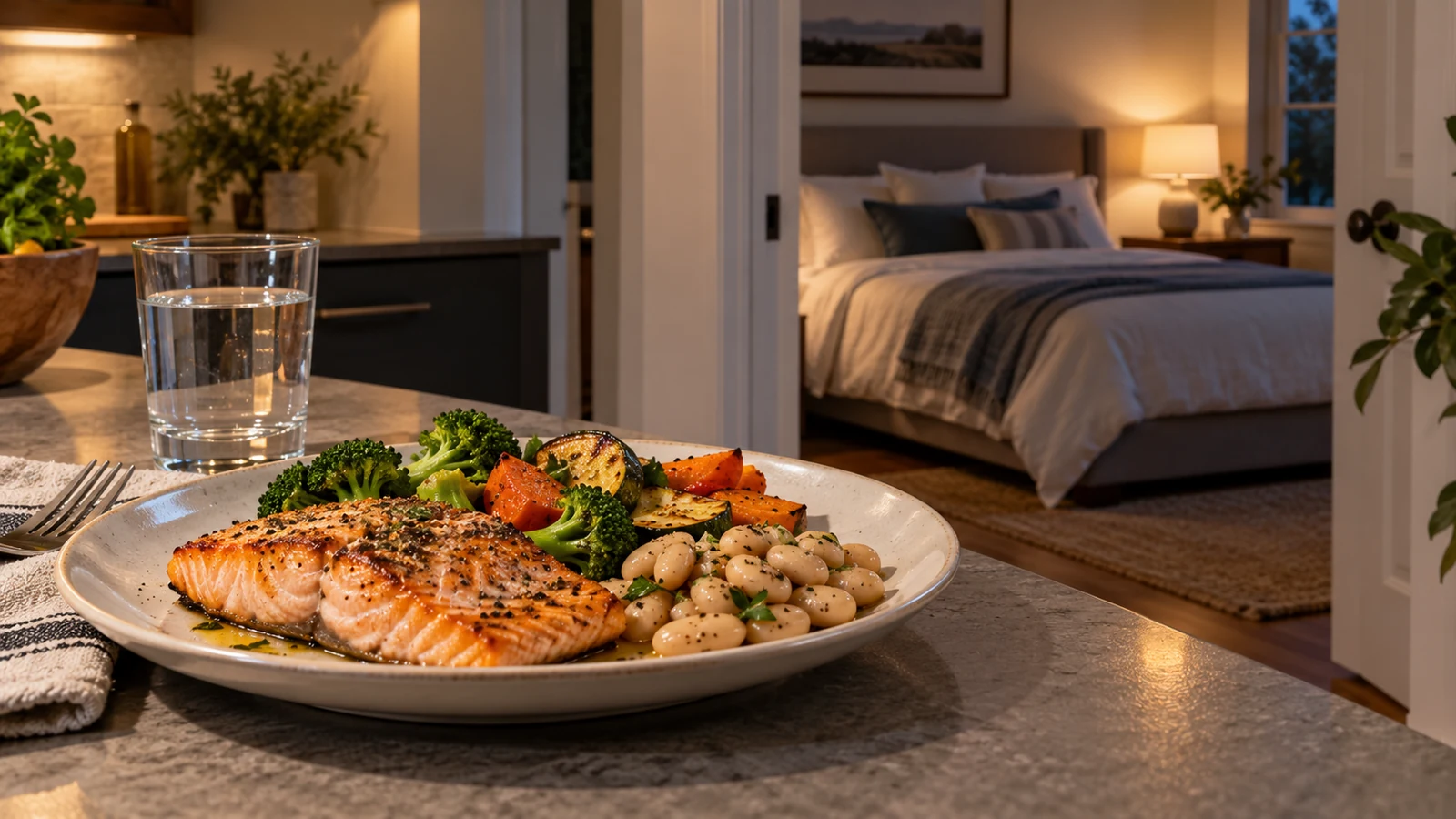
A chemical signal cannot donate glycine. When a messenger orders a cell to synthesize collagen, the cell draws entirely on what was eaten and what the liver can supply.
Substrate availability decides whether the cellular factory can build. The amino-acid pool provides the raw material for structural proteins. Caloric availability prevents the body from burning incoming amino acids for fuel. Vitamin C is a strict requirement for the enzymes that fold collagen into a stable triple helix. Copper and zinc serve as mineral cofactors for cross-linking fibers together. Fatty acids like EPA and DHA provide the chemical basis for resolving inflammation. No gram targets belong here; the mechanism is enough. If the factory has no stock, signaling simply spins machinery in an empty room.
Sleep provides the environment that factory requires. During slow-wave sleep, metabolic demand drops, tissue perfusion rises, and the pituitary gland releases pulses of endogenous growth hormone. A secretagogue is an agent that prompts an endocrine gland or organ to release its own stored supply of a hormone. Relying on growth-hormone secretagogues while chronically sleep-deprived is trying to run a night shift with an empty warehouse.
What a signal can add
When loading, food, and sleep already exist, a signal can be the interesting third input. It can unstick a stalled sequence, modulate appetite so an overloaded joint unloads, prompt a pituitary pulse, or encourage blood vessels to grow into an avascular tendon watershed.
Before evaluating specific claims, four terms require clear boundaries:
A GLP-1 medicine, or glucagon-like peptide 1 receptor agonist, mimics a natural gut hormone to regulate appetite, digestion speed, and blood sugar. NAD+, or nicotinamide adenine dinucleotide, is a cellular molecule that transfers electrons during energy production. A coenzyme is a non-protein compound required for an enzyme to catalyze a reaction. Sourcing is the origin and verification chain that determines whether a compound is genuine, accurately dosed, and free from contaminants.
Guide 4 showed that biological effects require an unbroken chain: a signal must bind an available receptor, which triggers a cellular response. When assessing claims from across this path, size them to what the evidence actually earns:
- Repair-class peptides (Guide 5) ask for localized blood supply or cell migration in preclinical models, not instant tissue glue.
- Street stacks (Guide 6) bundle popular research compounds together, but combining unverified substances provides no proven clinical synergy.
- GLP-1 medicines (Guide 7) alter appetite and caloric intake, but they do not determine whether lost weight comes from body fat or lean skeletal muscle.
- Growth-hormone secretagogues (Guide 8) prompt the pituitary for a natural pulse, whereas injected growth hormone replaces normal endocrine production entirely.
- Mitochondrial peptides (Guide 9) target cellular power structures, operating alongside NAD+, which functions as a metabolic coenzyme rather than an amino-acid signaling peptide.
- Sourcing standards (Guide 10) decide whether an unverified vial contains the authentic sequence or harmful synthesis contaminants.
Fit is a placement word, not a permission slip. Placement does not upgrade any of those claims.
The practical questions
When applying these principles to common scenarios, the answers are straightforward:
If food, sleep, and loading are already dialed, a targeted signal becomes a narrow, contained experiment. Sourcing is the primary adult constraint. Narrow is allowed; magic is not.
If the question involves a prescribed GLP-1, the tissue-mix warning still applies. The drug regulates caloric flow, but mechanical load and dietary protein determine whether functional muscle survives. The handoff always returns to food and loading.
Other regenerative tools that rely on physical inputs, such as acoustic waves or ultrasound, operate through distinct mechanical mechanisms. They require their own separate evidence questions and should not be mashed into a peptide framework.
Does "they work" mean starting with a vial? No. Start where the complaint lives. Address biomechanics with movement and metabolic deficits with food before looking for a molecular accelerator.
Can a signal work without a mechanical stimulus? A chemical request without physical loading remains an unanswered call. The cell performs the physical work, and the cell requires mechanical tension to direct that work. Treating a chemical message as the entire renovation is pure fantasy.
The car still needs oil
The biological order of operations matters far more than the gear you select.
This guide closes the Recover path and serves as the integration point for the entire library. Food, as detailed in the Eat path, supplies the physical substrate cells build with. Mechanical load, as detailed in the Move path, supplies the physical instruction that tells tissue which way to align and strengthen. Sleep provides the restorative window where remodeling occurs.
Targeted signaling sits third. It is an accelerator, not an alternative foundation. It is an optional input that may assist a biological process when the underlying systems are already functioning.
Key idea
Overdrive gear works only after the engine has oil, the tank has fuel, and the chassis can handle the road. Your training log can have a line for a vial, but it still needs the other three.
Educational content only. It is not individual medical advice.