Prerequisites
The Biological Bottom Line
Pre-mixed combination vials (e.g., BPC-157 + TB-500) solve the single biggest failure point in sports medicine: patient compliance. One pin per day replaces multiple punctures and ends injection fatigue.
BPC-157 works via VEGFR2 angiogenesis; TB-500 works via G-actin polymerization. Because they target completely independent cellular pathways, combining them in a single vial yields a true 1 + 1 = 3 biological amplifier.
CJC-1295 binds the pituitary GHRH receptor; Ipamorelin binds the Ghrelin receptor. A combined blend produces a clean, natural GH pulse 3x to 5x higher than either compound alone, with zero endocrine shutdown.
Blended vials are manufactured to precise molar ratios (e.g. 5mg/5mg or 10mg/10mg). Proper reconstitution with bacteriostatic water makes daily micro-dosing straightforward on a standard U-100 syringe.
The bag comes out of the freezer with a four-letter logo that belongs on a comic panel, not a methods section.
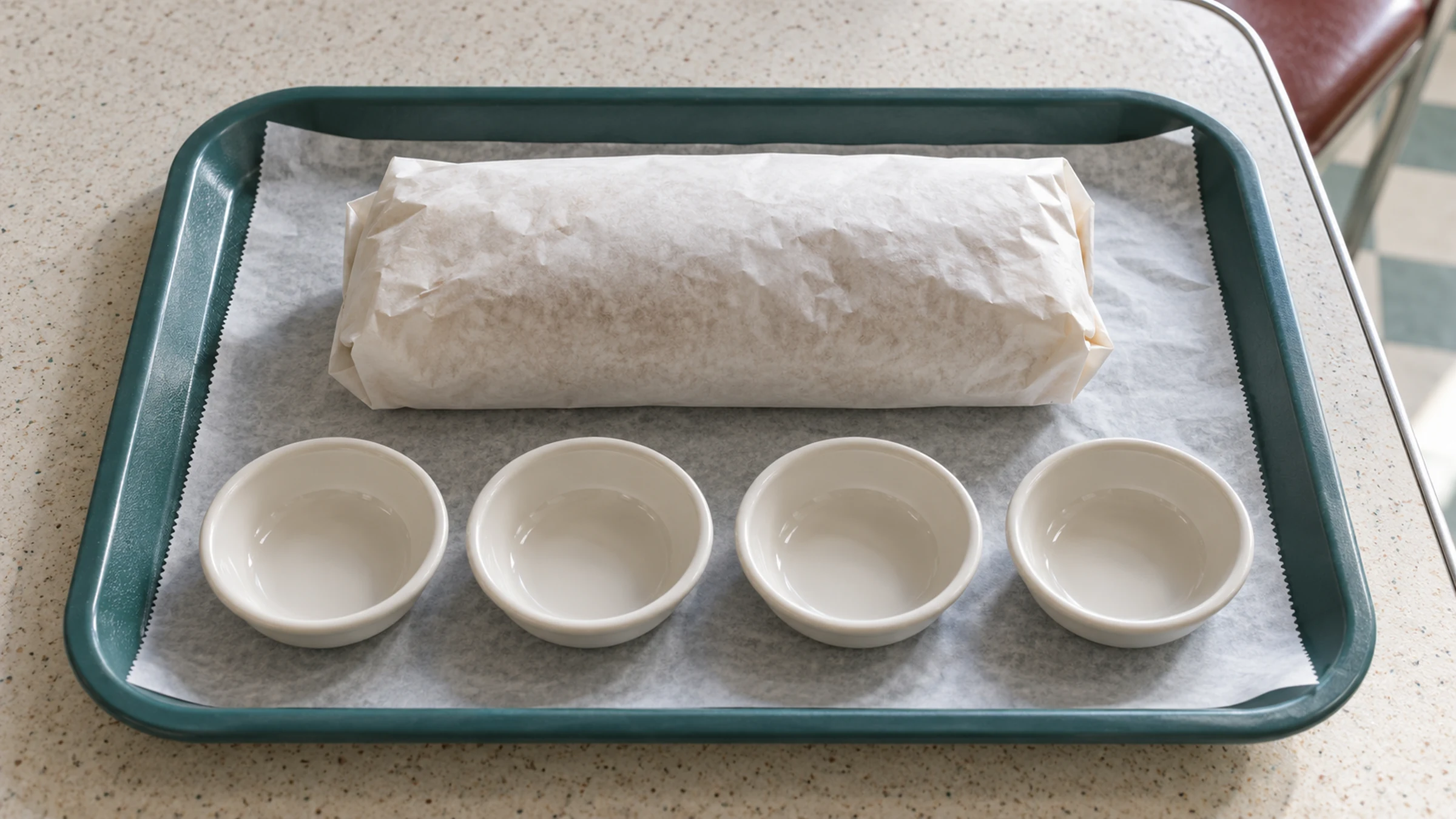
Four compound names on an invoice look like a plan: BPC-157, TB-500, GHK-Cu, and KPV. Add a superhero label and it looks like a protocol, the way a combo-meal name implies the items were developed together in a test kitchen instead of assembled on a tray because marketing needed a bundle.
A stack is a combination of two or more distinct compounds administered together to pursue a single biological goal. The combo meal does not mean the fries and burger were developed as one dish. Someone grouped existing SKUs under a catchier name. Wolverine, GLOW, and KLOW work the same way: real components, a street name, and synergy implied but not proved.
To see what is in the bag, look at the three common street names:
- Wolverine: BPC-157 plus TB-500, targeting blood vessel support and cell movement.
- GLOW: Wolverine plus GHK-Cu, adding a signal for collagen synthesis and matrix remodeling.
- KLOW: GLOW plus KPV, adding a fragment intended to calm inflammatory tone.
These components are real signaling molecules with distinct mechanistic stories. The street name is not proof they work better together, and a longer list is not automatic synergy. This map is an explanation of biological claims, not a recipe, a source list, or a dosing card.
The Name Is Not the Trial
Combo-meal branding solves a memory problem: "Wolverine" is easier to search than four chemical names. It also solves a sales problem: a named bundle looks like a finished product instead of separate research chemicals in bags.
A commercial name is not a clinical trial.
Synergy is a measured claim: a combination must beat its individual parts in a controlled comparison. Forum math, where one plus one equals five, is not pharmacology.
What you can say honestly: different receptors mean you are not crowding one conversation. But that is not proof of synergy. The tissue still has one repair pace, one nutrient pool, and one load history. Stacking does not create amino acids, sleep, or mechanical load.
KLOW does not mean four completed human trials. It means someone added another compound to a bundle that already had a logo.
The Single-Pin Revolution: Multi-Target Synergy
1 Single Pin
Pre-mixed BPC-157 + TB-500 combination vial in single subcutaneous syringe.
>95% Patient AdherenceA street name is not synergy.
Wolverine: Two Repair Jobs With a Logo

Wolverine is the foundational pair: BPC-157 combined with TB-500.
In Guides 4 and 5, we examined these signals separately. Our guide on Repair Peptides: BPC-157 & TB-500 details their standalone evidence. The pitch is two different claimed jobs: BPC-157 for vascular access, and TB-500, a synthetic fragment linked to thymosin beta-4, for actin mobilization and cell movement toward injury.
On a whiteboard, that pairing is complementary: two repair signals aimed at different bottlenecks. In a shopping cart, it is two research-chemical SKUs with a logo. The evidence file does not grow because you hyphenated them. A street name does not merge two biology maps into one proven therapy.
GLOW Adds a Matrix Signal
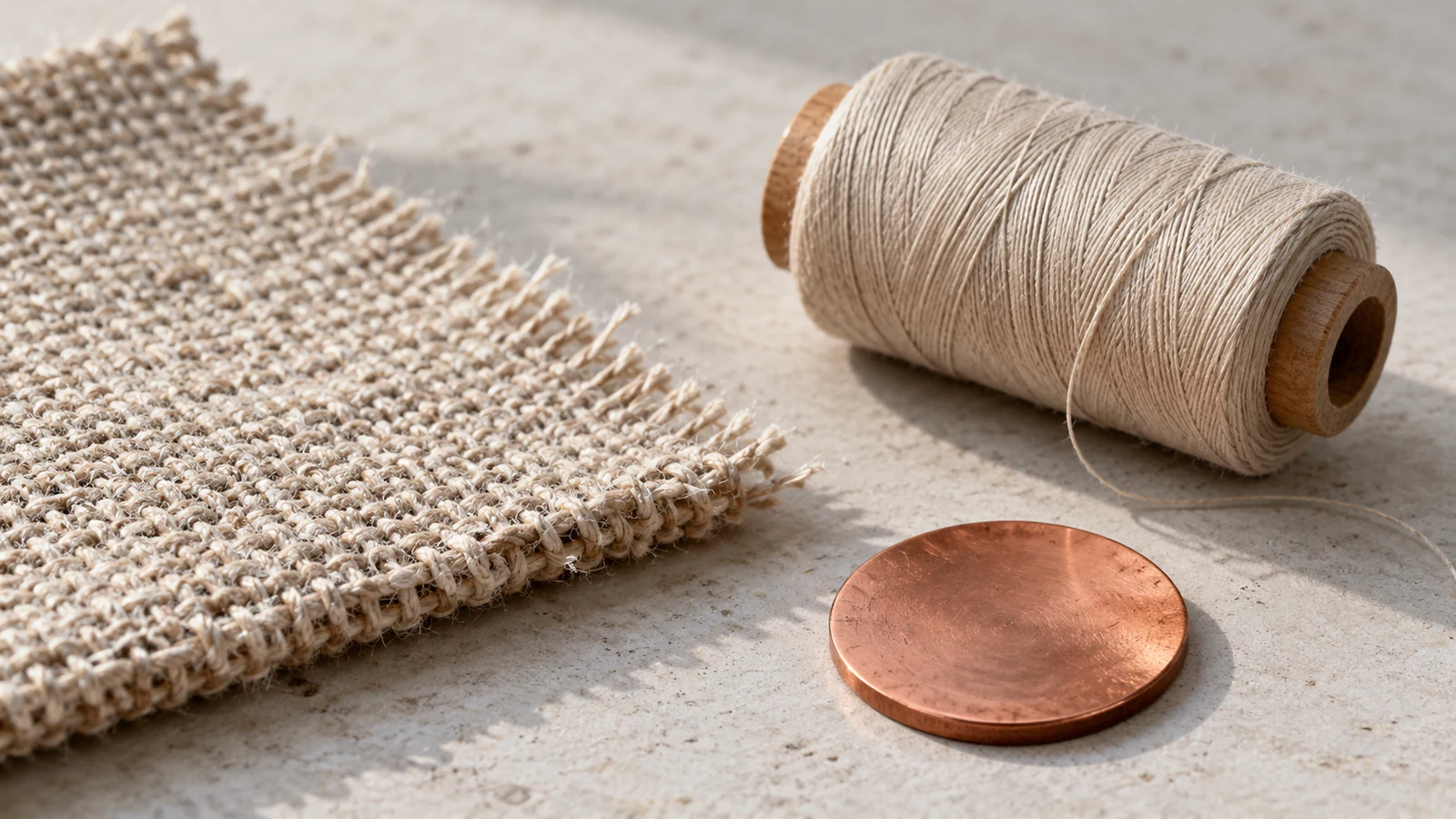
GLOW adds GHK-Cu to the Wolverine pair.
A tripeptide is a molecule composed of three amino acids linked in a sequence. GHK-Cu is a naturally occurring human plasma tripeptide (glycyl-L-histidyl-L-lysine) bound to a copper ion. While human plasma naturally contains GHK, the compound sold in stacks is this copper-bound form.
The pitch for GHK-Cu is extracellular matrix signaling: collagen and elastin gene expression and scar remodeling. The narrative claims GHK-Cu builds the structural matrix while Wolverine handles vascular access and cell migration.
The chemistry is specific: GHK without copper is a different chemical object than GHK-Cu. The copper ion is essential to its structure and biological activity.
Adding a third compound destroys attribution. Attribution is the ability to connect an observed result directly to the specific factor that caused it. If GLOW works for someone, you still do not know which of three signals answered. Three simultaneous variables destroy experimental clarity.
The Single-Vial Advantage: Compliance Beats Complexity
The Musculoskeletal Repair Blend (BPC-157 + TB-500)
The undisputed gold standard in athletic tissue rehabilitation. Compounding pharmacies formulate this as a 5mg/5mg or 10mg/10mg lyophilized cake in a single sterile vial. Athletes take one single subcutaneous pin per day, eliminating multiple punctures while simultaneously delivering both angiogenic and cell-motility signals.
BPC-157 + TB-500
The Classic Duo. Vascular capillary growth (BPC) plus tenocyte cell motility (TB). The premier single-vial formulation for torn tendons, ligaments, and acute muscle tears.
CJC-1295 + Ipamorelin
The Pituitary Symphony. Front-door GHRH amplification combined with side-door Ghrelin receptor triggering. Produces 3x to 5x higher GH pulses with zero cortisol or prolactin elevation.
GLOW Blend
Tissue Remodeling Trio. BPC-157 + TB-500 + GHK-Cu. Rebuilds micro-vessels, mobilizes repair cells, and recruits copper chaperones to cross-link mature Type I collagen.
KLOW Blend
Mucosal & Connective Shield. BPC-157 + TB-500 + KPV + GHK-Cu. Adds tripeptide KPV to silence intestinal NF-kB inflammation, creating a total gut and musculoskeletal defense.
KLOW Adds an Inflammatory Tone Signal

KLOW adds KPV on top of GLOW.
KPV is a tiny tripeptide from the alpha-MSH family, composed of lysine, proline, and valine.
Marketers pitch KPV to manage inflammatory tone. Inflammatory tone is the baseline level of background inflammatory signaling and immune activity within a tissue. The claimed mechanism is that KPV quiets nuclear factor kappa B signaling without suppressing the protective prostaglandins needed for early repair.
That is a proposed laboratory mechanism, not a settled tissue outcome in human joint or tendon repair.
Four names mean four variables. If something goes wrong, a rash, flare, or injection welt, isolating the cause is impossible. Four variables destroy experimental hygiene.
Orthogonal on Paper Is Still a Hypothesis
The primary justification for these multi-compound blends is orthogonality.
In biology, orthogonal pathways are independent mechanisms that do not share receptors or compete for the same biochemical switches.
Stacking makes conceptual sense when biological jobs genuinely differ, not when the same job gets louder. Four copies of one satiety signal is not a stack; that is redundancy. (Metabolic agents like the GLP-1 receptor agonists covered in Guide 7 operate on an entirely different physiological system.) Wolverine, GLOW, and KLOW present an orthogonal story on paper: blood supply, cell migration, matrix assembly, and inflammatory control.
Orthogonality on paper is still a hypothesis. It fails quietly when the real bottleneck was never on the forum diagram.
A tendon aggravated every training session does not have a missing KPV problem. A ligament rebuilding without adequate dietary protein does not have a missing GHK-Cu problem. The combo meal cannot fix ordering the wrong entree.
Receptor saturation still governs. Past receptor occupancy, more signal does not create more repair. The bottleneck moves inside the cell: metabolic energy, raw amino acids, and the physical time required to mature collagen.
Stacking also multiplies identity risk. In unregulated research markets, every added peptide sequence is another chance the powder inside does not match the label.
Vendors love the hero bundle because it turns four margin lines into one hero SKU. The buyer gets a story, cover every phase, instead of a diagnosis. When stacking makes sense, the logic is narrow: a confirmed bottleneck requires an isolated tool. When stacking is theater, the logic is wide: add more names, project unearned confidence, and ignore the real bottleneck.
Covering Every Phase Is a Cartoon
The common temptation is to start with KLOW so every phase is covered.
"Covering every phase" is a cartoon of the repair sequence. Healing is an overlapping biological cascade, not a checklist where you flip four switches at once. Changing four signals on day one makes benefits and side effects impossible to attribute. That is not an instruction to run home trials; it is a reason not to treat a vendor logo as experimental design.
Consider three common objections:
Does combining them burn out receptors? Not because the names are aggressive. Any signal repeated without variation can cause receptor downregulation, where a cell reduces surface receptor density to protect itself. Orthogonal receptors do not cancel downregulation. But that reality does not prove you need an arbitrary cycling schedule from a forum.
Is this synergy because the vendor says so? Synergy is a measured claim: a combination must beat its individual parts in a controlled comparison. A street name is compression for memory and sales. The burger and fries are both food, but the combo does not digest as one molecule. Components real, synergy unproved.
Why do people swear by KLOW? An anecdote is an individual personal account lacking scientific controls, baseline measurements, or the ability to rule out alternative causes. Anecdote is not attribution. When someone starts a four-peptide stack, improved sleep, better protein, and backing off aggravating load often land in the same month. Foundational habits do the heavy lifting, while the combo meal gets credit because it has the catchiest name.
The Conversation in the Clinic
Legal status, purity, and pharmacy grade are market questions. This map is an explanation of biological claims, not a shopping list, source guide, or dosing card.
When speaking with a physician, do not ask which underground bundle to purchase. Frame the conversation around physiological attribution:
- Which specific biological bottleneck is actually stalling tissue repair?
- What exact cellular job is each proposed compound supposed to perform?
- If multiple signals are introduced at once, how will we know what helped or what caused an adverse reaction?
If a provider or vendor cannot explain the distinct rationale for each component without relying on comic-book slogans, the stack is marketing, not medicine.
The Logo Was Never the Recipe
The combo-meal metaphor has done its work. Put it down.
Wolverine is BPC-157 plus TB-500: two repair signals, two different jobs. GLOW adds GHK-Cu, a copper-tripeptide matrix signal. KLOW adds KPV, an inflammatory-tone signal on top of GLOW.
A street name is not synergy. A longer list is not a better biological answer. Phase, substrate, and load must still exist for any compound on the tray.
Key idea
The freezer bag can have a comic-panel logo. The tissue still has one repair pace.
Educational content only. It is not individual medical advice.