Break the Loop
The pattern
Pain eases. You return to the thing you love. It flares. You rest. Repeat. If the same problem keeps coming back, the question is not whether you tried hard enough — it is what keeps reloading it.
How it works
Pain eases. You test it. It flares. You rest. If that loop sounds familiar, the question is not which stretch to try next — it is what keeps reloading the pattern. I teach how to read the loop, find the bottleneck, and rebuild capacity. More is possible than you think. Easier than you think.
See the framework ↓The spot that hurts is not always the part that's failing.
A stiff ankle can make the knee pay. Scar tissue in a tendon can keep a joint from tolerating normal load. And if visceral fat is driving systemic inflammation, you can "fix" the joint on paper and still feel worse every time you climb stairs.
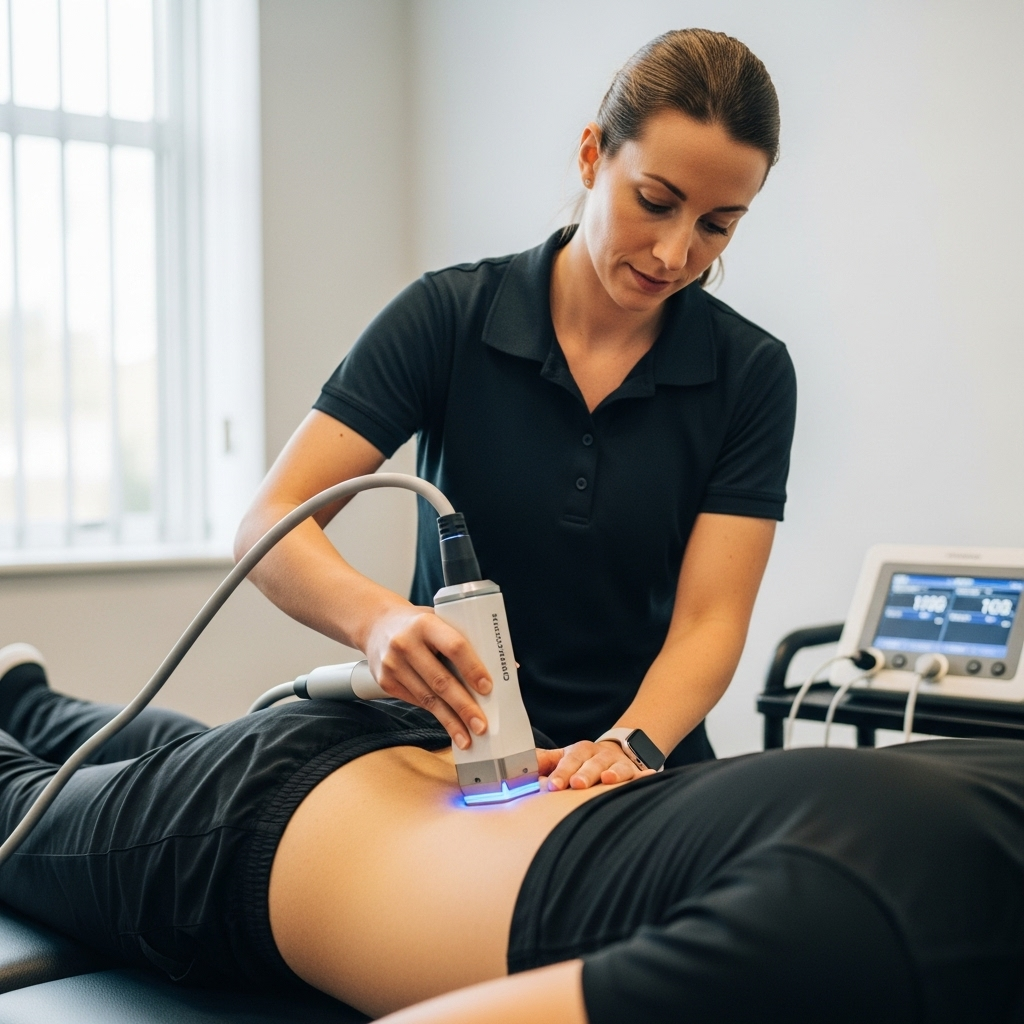
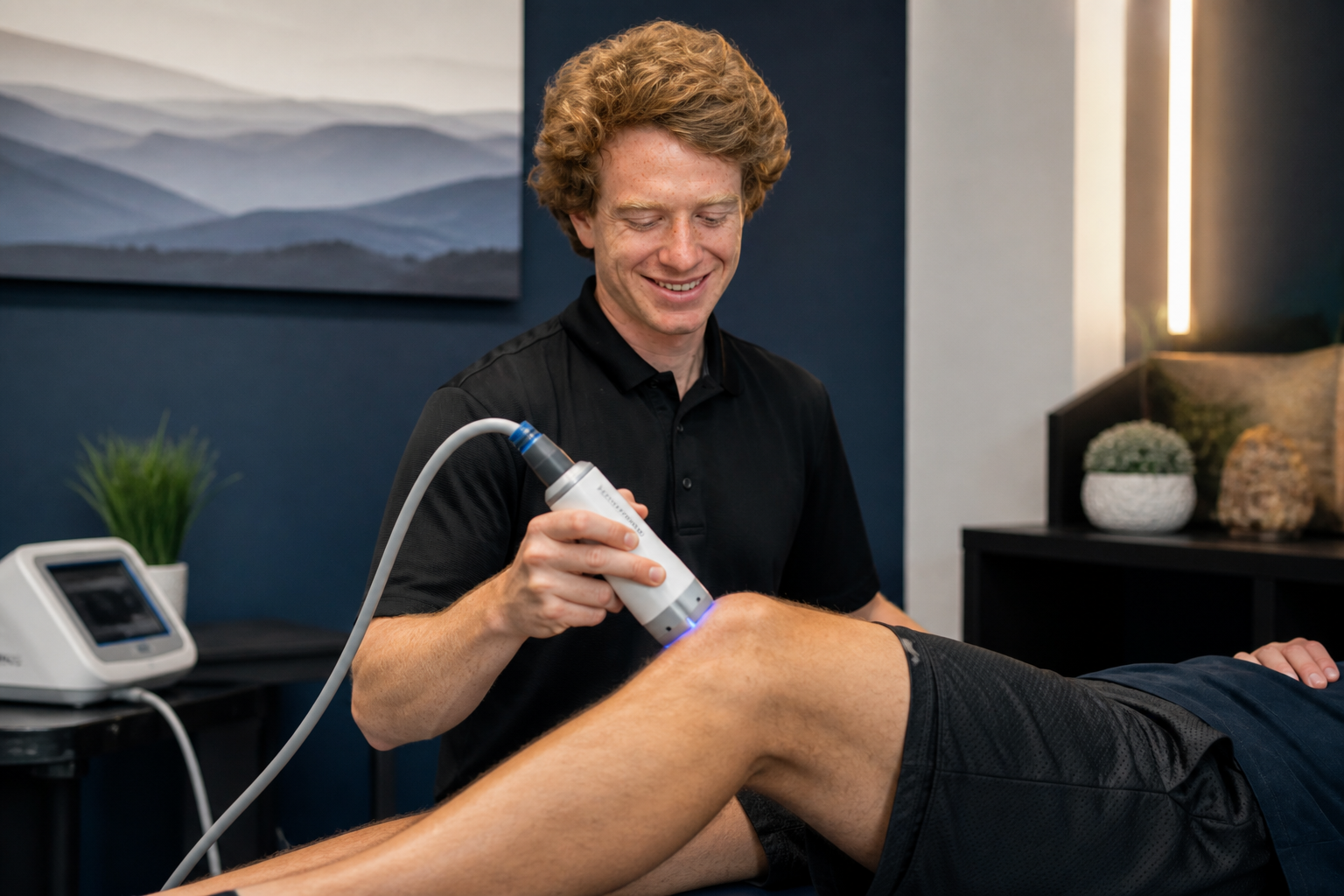
Lose weight with a GLP-1 but never address how the joint is loaded? The knee may still hurt on stairs. Run shockwave without addressing metabolic drag? The tissue may never get a clean environment to adapt.
This is the model I teach: recognize the loop, find the bottleneck, rebuild capacity — and use tools only when they match the job. Most plans skip straight to the modality the patient is already thinking about.
Different complaints. Same mistake: treating the loudest symptom while the bottleneck keeps doing its job.
The pattern
Pain eases. You return to the thing you love. It flares. You rest. Repeat. If the same problem keeps coming back, the question is not whether you tried hard enough — it is what keeps reloading it.
The limiting piece
The spot that hurts is not always the part failing. A stiff ankle can make the knee pay. A guarded joint can make a normal load feel dangerous. Find the constraint before you add another exercise.
The work
Mobility is the entry point, not the finish line. Restore motion, earn trust, then load the system until it can handle your run, lift, match, commute, or workday.
The accelerators
Shockwave, PEMF, peptides, and GLP-1s are tools — not a plan by themselves. Name the job, choose the tool that fits, track the response, and keep sleep, food, movement, and strength in the room.
Mechanics — how you move, how load travels through the chain, and what tissue is stuck or under-recovered. This is where shockwave, soft-tissue work, and loading strategy live when they match the bottleneck.
Metabolism — the chemical environment your joints and tendons recover in: inflammation, body composition, sleep, and the supervised tools that change that environment when they fit.
I don't prescribe peptides or GLP-1s. I work alongside your prescriber and own the movement and structural side so the full picture actually lands.